
These new powers do not go far enough to protect pedestrians”
The Government has today released a long-awaited response to the public consultation on pavement parking (Thursday 8 January 2026)
Local authorities will be given the power to prohibit pavement parking in their area. Living Streets, the UK charity for everyday walking, has campaigned for action on pavement parking for over 50 years.
Catherine Woodhead, Chief Executive, Living Streets comments:
“These new powers allow for some quick progress after years of inaction and stop many people putting their lives in danger just to get around.
“It’s disappointing not to see a nationwide prohibition, instead handing the power to local leaders to ban pavement parking. This will result in inconsistency for communities and drivers, which increases risks for everyone using our streets.
“It makes it a political choice, but the fact is, pavement parking endangers lives of the most vulnerable.
“These new powers do not go far enough to protect pedestrians. Disabled people, parents with buggies and older residents shouldn’t have to depend on individual local authorities' appetite and capacity to enforce.
“While national prohibition would offer a clear end to pavement parking, now we can only hope the government’s guidance strongly advises local leaders to act against pavement parking, and we will do our best to ensure this is the case.”
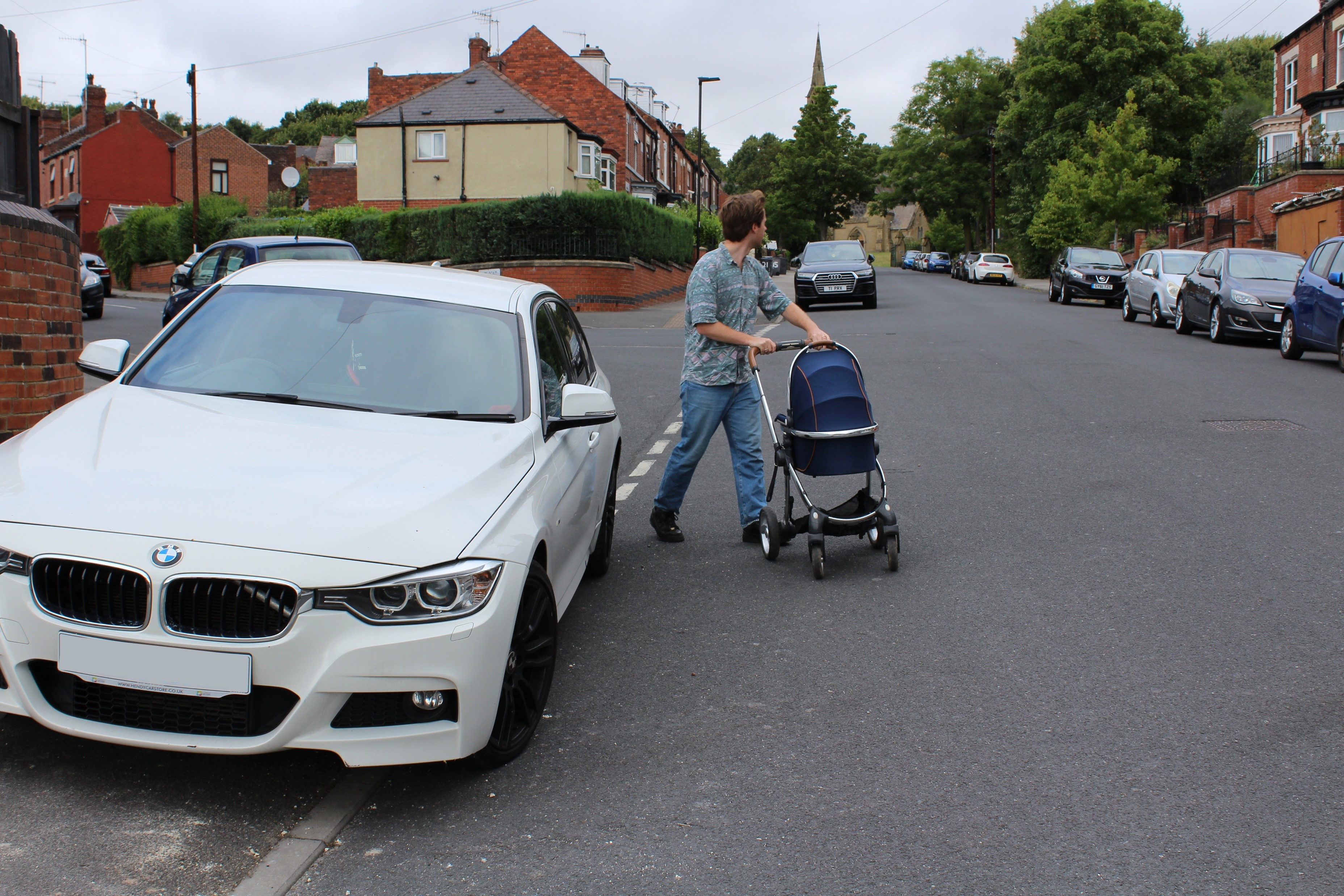
It’s disappointing not to see a nationwide prohibition, instead handing the power to local leaders to ban pavement parking. This will result in inconsistency for communities and drivers, which increases risks for everyone using our streets."
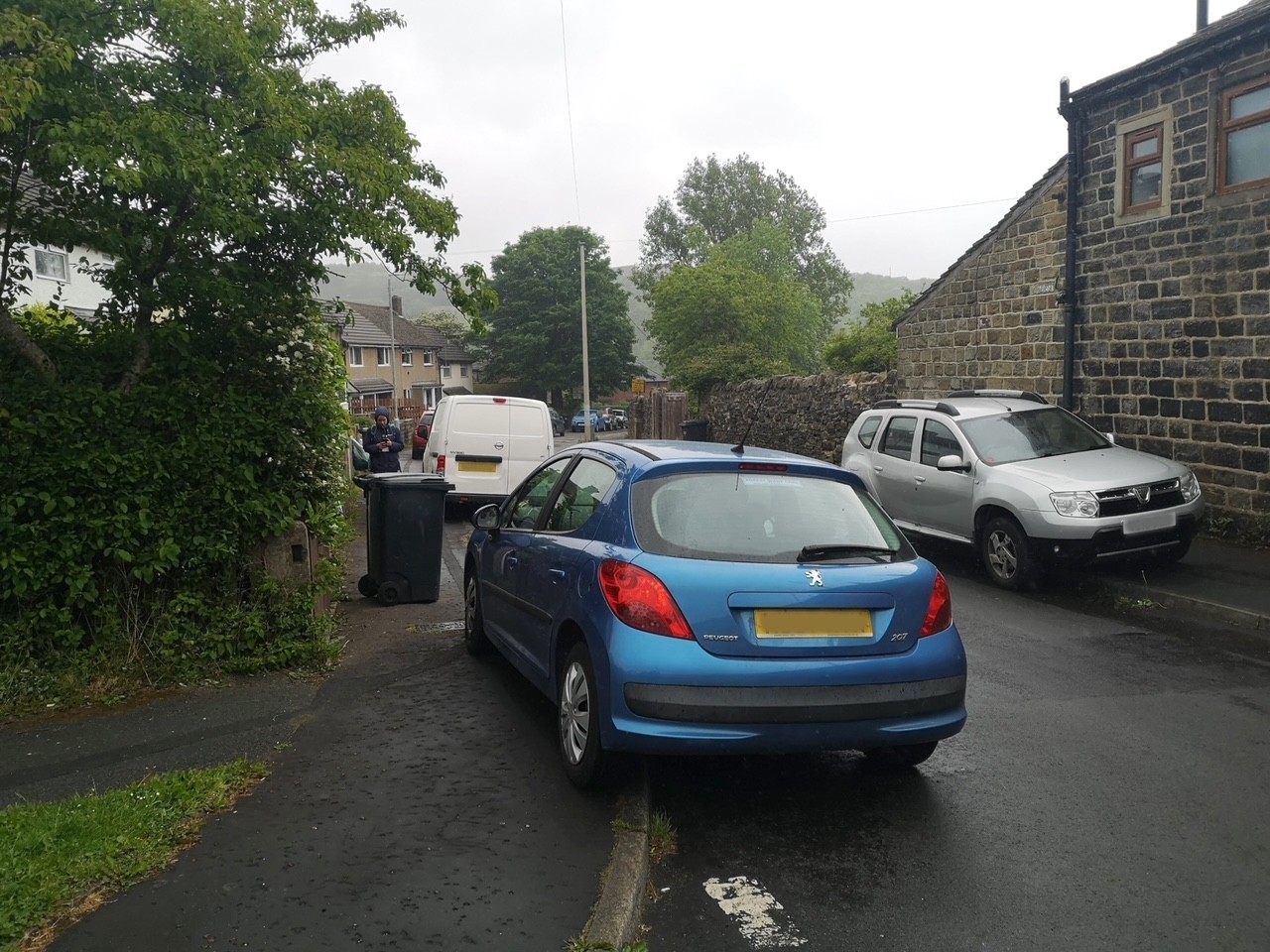
Dr Amit Patel is a disability rights campaigner and Living Streets’ Trustee. He comments:
"This is a step forward from the UK Government to address pavement parking. Local authorities must make use of these new powers. As a blind person, navigating snow and ice during winter is treacherous enough, but the frequent menace of pavement parked cars regularly affects the streets I walk on and streets I don't. For me the issue is black and white - the pavement is for people.”
Scotland made history in 2019 by introducing a nationwide ban on pavement parking, which was enforced in 2023. Since then, 21 local authorities have enforced the ban, including Glasgow and Edinburgh.
Susanne and her 15-year-old son, Joseph, moved to Scotland from England at the beginning of 2025. Since moving, their council has implemented the pavement parking ban, and it has transformed their lives.
“In North Yorkshire pavement parking was a nightmare for us,” said Susanne.
“My son is a power wheelchair user and when we encountered cars parked on pavement, which we did all the time, we would need to find a dropped kerb and then walk in the road. It was so very dangerous for all of us and meant Joseph didn’t have the freedom to travel independently.”
In spring, their council started to implement the Scotland-wide pavement parking ban.
“Overnight the pavements were emptied of cars – the change really was quite dramatic. The pavements around my son’s school and his grandma’s house are now accessible to him.
“Finally, my son can wheel freely from one end of the road to the other, which has been brilliant for his independence – he can now visit the local shop on his own.”