
9 in 10 councillors in Wales have received complaints about pavement parking
A recent survey from charity Living Streets has revealed that 9 in 10 (91%) councillors in Wales said they had received complaints from constituents about vehicles parked on the pavement.
Pavements blocked by vehicles force pedestrians – especially disabled people and partially sighted and blind people – onto the road and into oncoming traffic. Parking on pavements also cracks and damages pathways, increasing costs for councils.
Living Streets – the UK charity for everyday walking, has been campaigning on the issue for over 50 years. In May, the UK government announced more powers for local authorities in England to restrict pavement parking, but no such legislation yet exists in Wales.
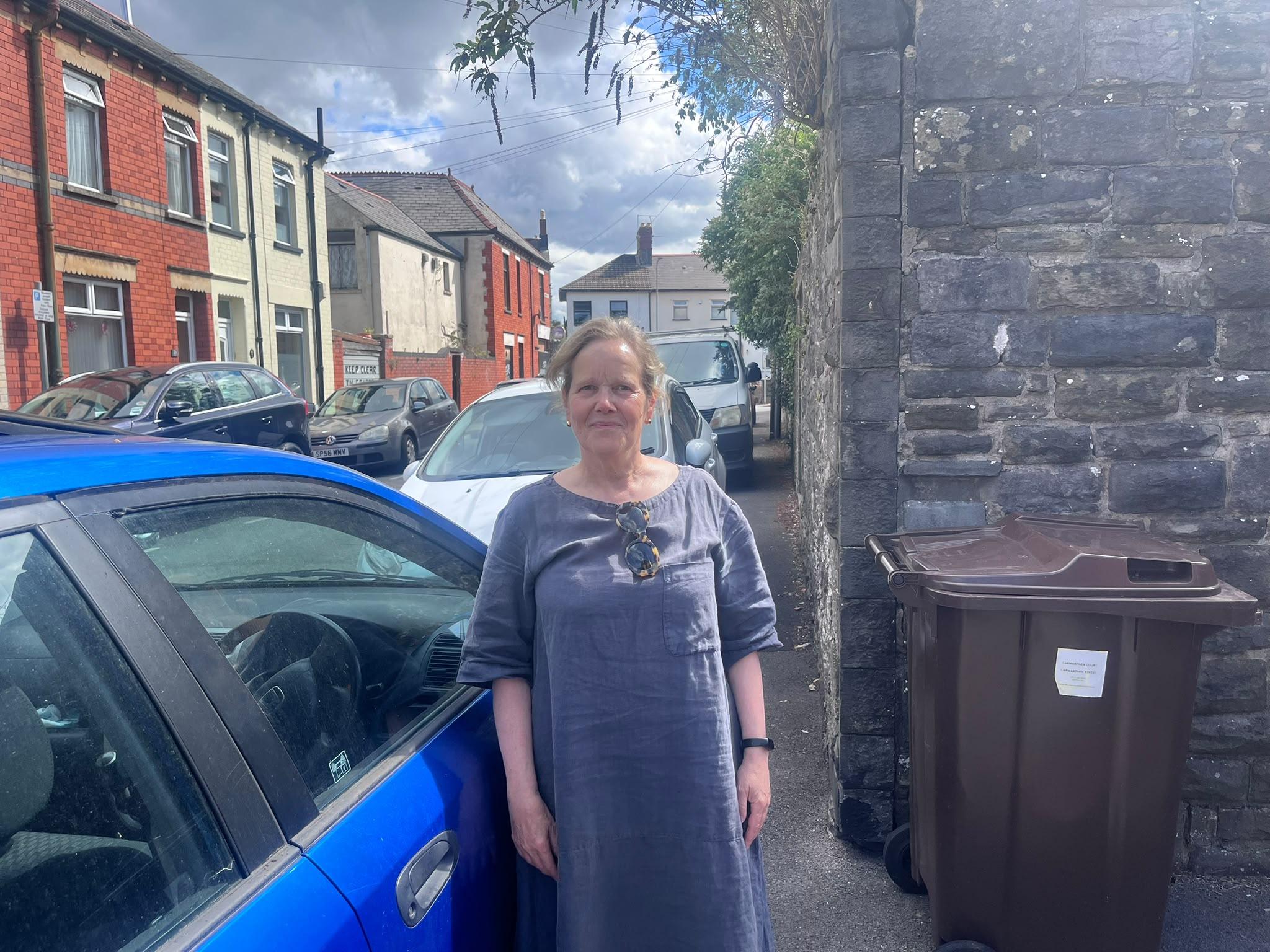
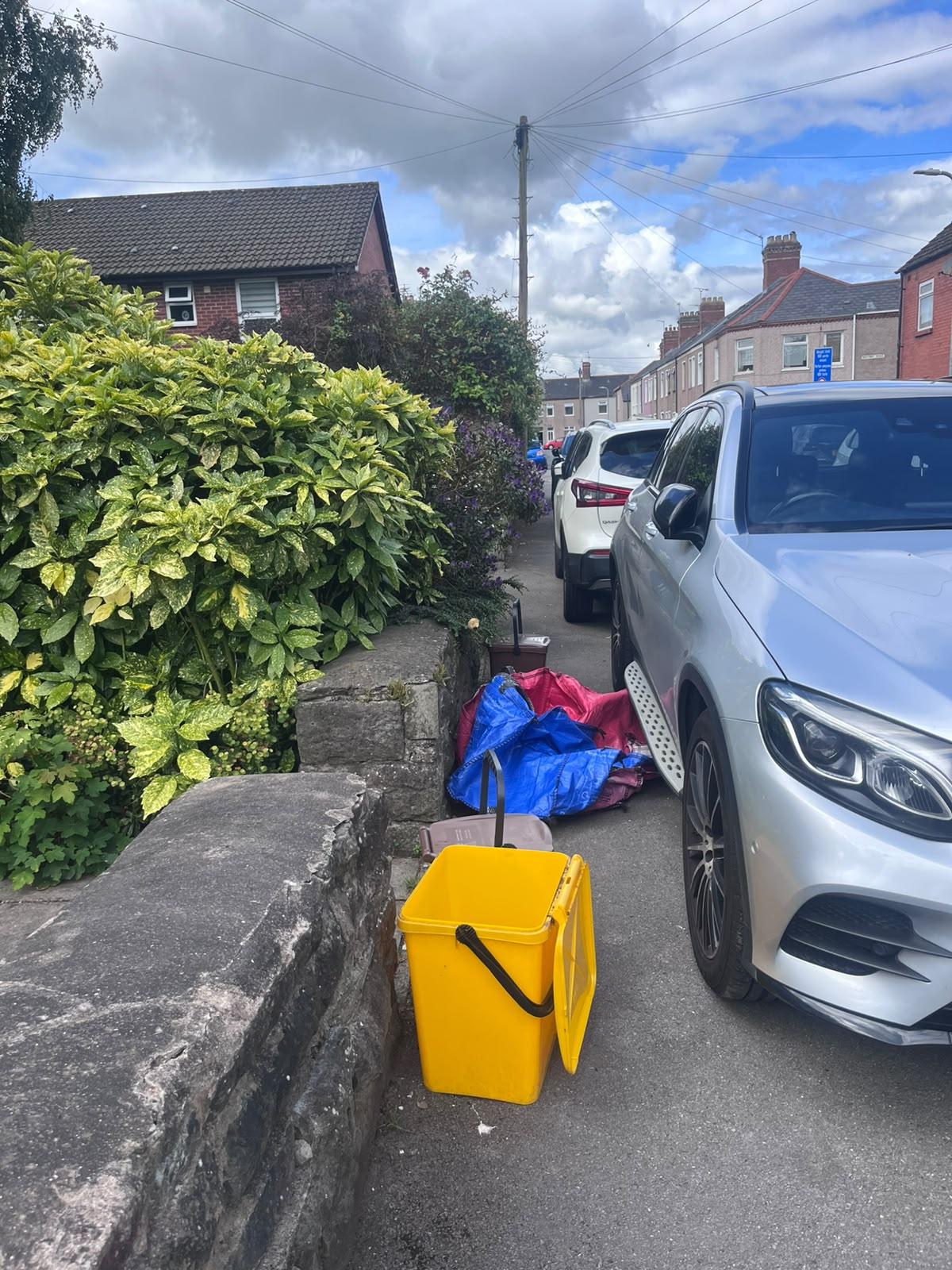
When asked, 8 in 10 (83%) councillors said new powers, like those seen in England and Scotland, would benefit their constituents. In Scotland, pavement parking has been banned since 2023.
Ruth Billingham, Head of Campaigns, Living Streets said:
“For too long, Wales’s pavements have been no-go zones for people with wheelchairs, guide dogs and pushchairs. Blocked pavements force people off the safety of the pavement and into oncoming traffic. It also stops thousands of us from enjoying the benefits of walking more.
“The new Welsh Government has the opportunity to take action against pavement parking and avoid getting left behind Scotland and England.”
Christine Tuppence lives in Llanelli and regularly experiences difficulties with vehicles parked on pavements. She comments:
“I am extremely concerned about pavement parking here in Llanelli. It's been bad for some years and if there should be an emergency neither the fire brigade, police or ambulance service would be able to gain access.
“Getting Carmarthenshire County Council to take this seriously is an uphill struggle. The council tell me it's a police matter and nothing they can do. The police tell me it's a council matter and I need to contact them! Meanwhile, we just wait for an emergency to happen.”
The issue of responsibility remains confusing and unresolved. Living Streets sent Freedom of Information (FOI) requests to all 22 local authorities in Wales, asking whether they had received complaints about pavement parking.
Seven authorities stated the enquiry was not applicable, five said they didn’t keep records on pavement parking, and two said the information would exceed FOI cost limits. Some councils directed the request to the local police force. This has led some councillors to call for nationwide legislation to avoid confusion.
Karen Edwards, County Councillor for Llangollen, Denbighshire, said:
“Pavement parking affects the safety, accessibility, and the condition of our public footways here in Llangollen.
“Pavements are provided for pedestrians, not for vehicles. When cars and vans are parked on pavements, people are forced into the road to get around parked vehicles, creating an unnecessary safety risk.
“In my view, no vehicle should be parked on a pavement. Clear national legislation would remove ambiguity, improve accessibility, protect vulnerable road users and help ensure that pavements remain available for their intended purpose.”
About the author
Rowan Dent
PR and Media Coordinator, Living Streets / [email protected]