
"The vision should be for zero people to lose their lives" – UK Road Safety Strategy

On Wednesday (7 January), the UK Government published its first Road Safety Strategy in over a decade.
It documented itself, that with the absence of such a strategy and lack of ambition, the UK has fallen behind other European countries in preventing deaths or injuries on its streets and roads.
And every death should be prevented.

This new strategy places emphasis on data, design, technology and infrastructure, education and prevention as critical to reducing road danger. Two overarching national targets have been set:
- A 65% reduction in the number of people killed or seriously injured (KSI) on roads in Great Britain by 2035, using a 2022–2024 baseline
- A 70% reduction in the number of children (under 16) killed or seriously injured on roads in Great Britain by 2035, using the same baseline
There are many positives about the strategy, but two issues stand out for Living Streets.
Firstly, we believe the Government should set a long-term ambition to reach Vision Zero where no one is killed on our roads by 2050. The second, a lack of real emphasis on the need to change the status quo and put the onus of road safety onto urban street design. For decades our streets have been built for motor vehicles, when they should be built for people, While it is mentioned in the strategy, we don’t feel it’s given the significance it deserves.

Last year, we worked with The Bikeability Trust to launch a report with recommendations to be included in this strategy. Below Tanya Braun, our Director of External Affairs and Fundraising, explores how or if our top five priorities feature in the UK Government’s Road Safety Strategy.
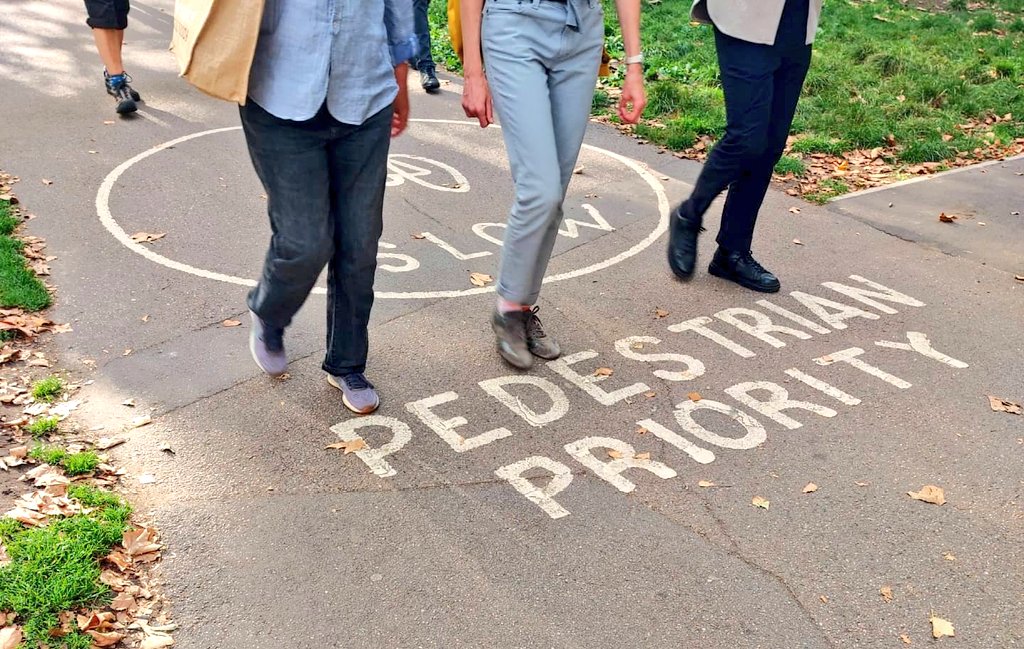
School Travel: We asked for dedicated funds to support children to travel safely to school and slower speeds, school streets and other infrastructure changes to help families feel it is safe to do so.
In the strategy document, the UK Government recognise everyone wants to live in a place where parents can get their children to school by walking or wheeling, where active travel feels like a safe choice. They identify that streetscape interventions could reduce vehicle speeds and have committed to publish an updated Manual for Streets.
This is a good first step but we’d like to see more commitment with dedicated funding for routes to school and mass rollout of School Streets.
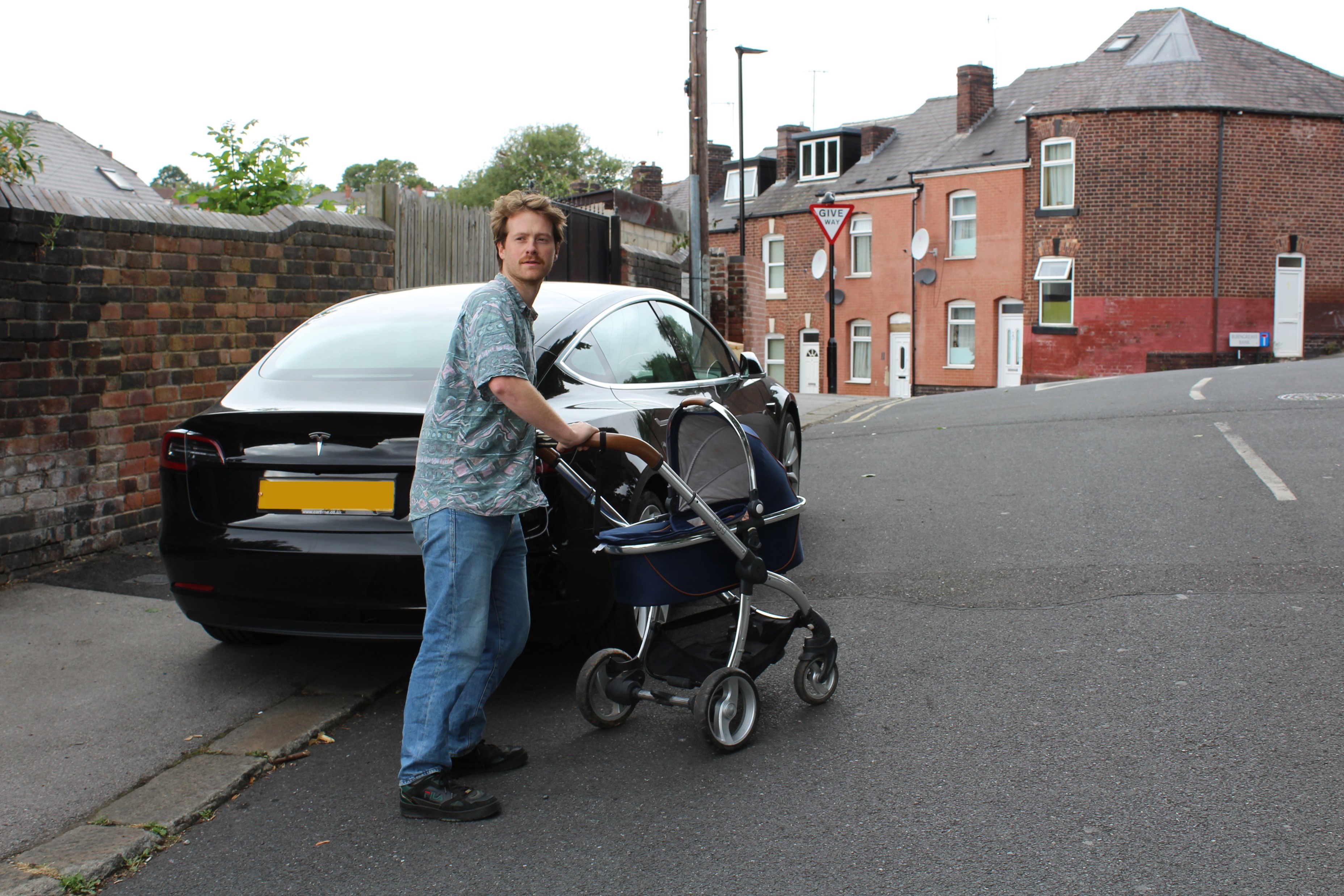
Pavement parking: we called for a nationwide prohibition of pavement parking, to ensure everyone can feel safe when walking or wheeling.
Pavement parking doesn’t get a mention in this strategy.
Outcome not achieved*
*The UK Government subsequently announced on 8 January that new local powers to keep pavements clear would be introduced for those who rely on them most
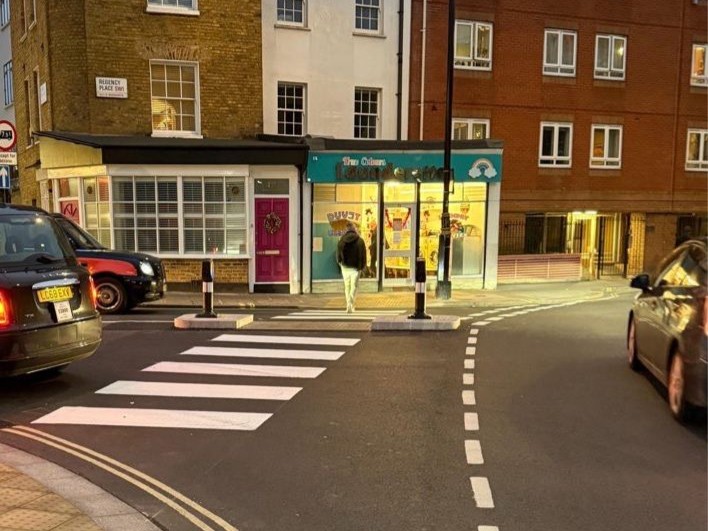
Highway Code: we asked for better awareness and compliance of the Highway Code published in 2022, streets design that enforces new elements (such as side road zebras), graduated licensing and introducing presumed liability of those least vulnerable.
In the strategy the UK Government recognise Road Users respecting and adhering to the Highway Code is part of a Safe Systems Approach (which they adopt) and will work with partners to promote education, awareness and accountability across all modes of road travel. The updated Manual for Streets should align with this, marking a shift in street design by putting consideration of people walking and wheeling first. There is also a plan to introduce a minimum learning period for learner drivers.
Outcome achieved.
Driver Behaviour: we called for road safety education to be embedded into primary and secondary school curricula, the introduction of progressive fines based on income, implementing comprehensive training and support for new drivers, combating distracted, drink, and drug driving through education and tech solutions, introducing stricter penalties for dangerous driving, making cycle awareness training a requirement for ADIs and ensuring all police forces implement updated STATS19 data collection specifications.
The Strategy introduces a Lifelong Learning approach to road safety education—recognising that as road environments and technologies evolve, all road users need ongoing education throughout their lives.
In the strategy, the UK Government will review the penalties and mandatory training for drink and drug driving offences, as well as failure to stop and report collisions and illegal number plates. It commits to reviewing the motoring offences framework. The government will ensure that the motoring offences framework is clear, and that where drivers endanger others, their behaviour has consequences. This does have a focus on drink and drug driving and those driving without insurance/MOT/tax.
A whole chapter in the strategy focused on technology and data, which is positive. The creation of a Road Safety Investigation Branch is welcome and should become an important part of applying a Safe System approach. This will need to establish what conditions lead to road danger and collisions. By going beyond assigning blame (such as drivers breaking rules) and instead understanding what causes dangerous conditions to exist it should help in making systemic changes to ensure these situations are less likely. It’s also good to see collaboration planned with other government departments, the NHS and Europe on sharing incidents so there is better understanding of mitigating factors. There is no mention of Stats19.
A good step, but we'd like them to go further, particularly stricter penalties for dangerous driving and lifetime driving bans for killers.
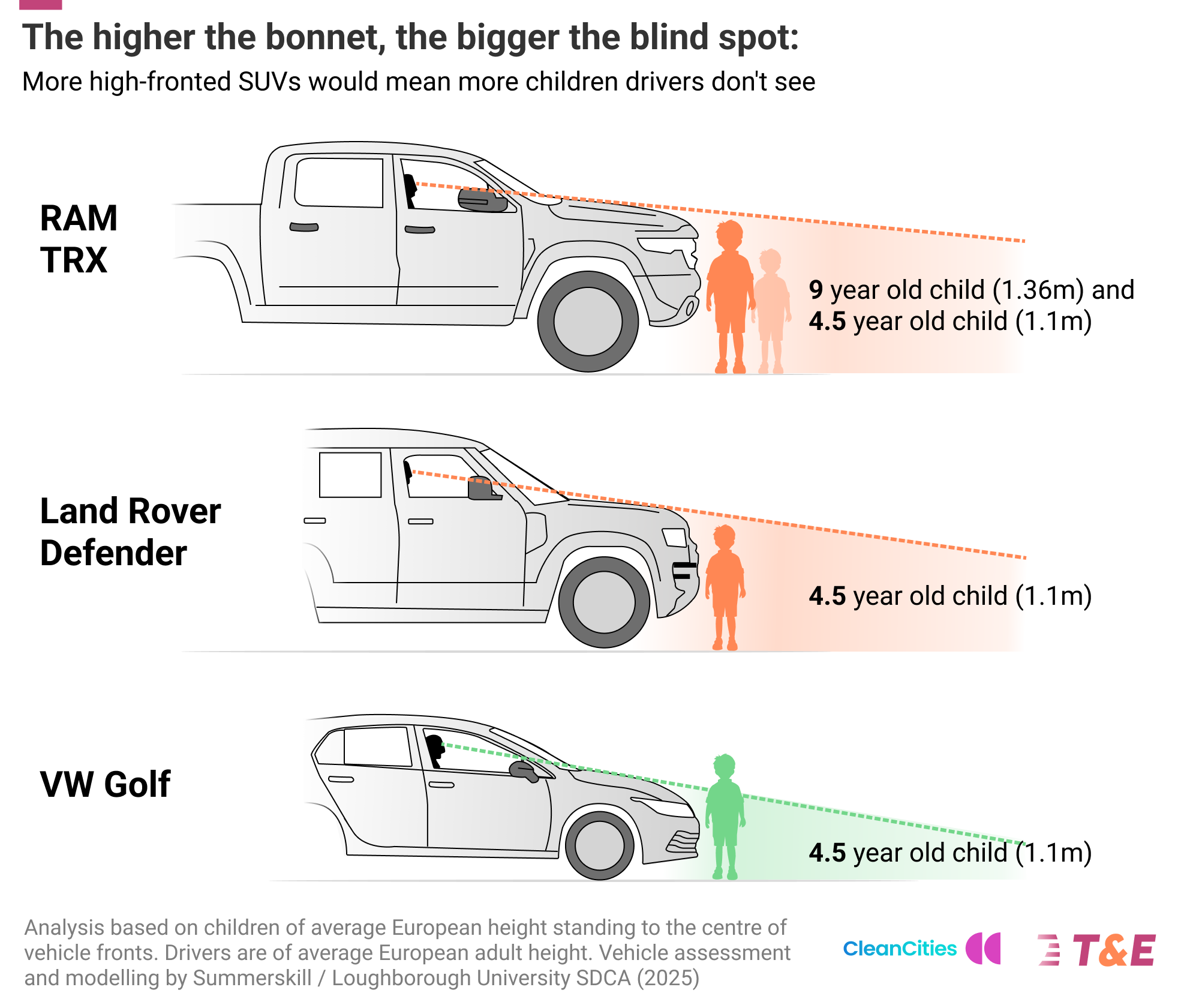
Safer Vehicles: We asked the government to mandate Intelligent Speed Assist (ISA), Emergency Lane Keeping Systems (ELKS), and Autonomous Emergency Braking (AEB) on all new vehicles. We also wanted to see regulation to curb the size and weight of private vehicles, especially SUVs and pickups and higher parking charges for large vehicles.
The UK Gov want to ensure vehicles are designed to protect other vulnerable road users, noting the emerging trend for increased bonnet height in SUVs may have a detrimental safety impact on vulnerable road users, particularly pedestrians, cyclists and children. They also mentioned the increased parking charges for SUVs in Cardiff as an example measure to combat this and committed to collaborate with stakeholders and vehicle manufacturers to further understand safety concerns regarding increasing vehicle size.
Outcome achieved.

Overall, a lot has been committed to in the new Road Safety Strategy and a lot is to be applauded. We’d have liked more ambition to reduce the number of those killed on Britain’s roads though, and more commitment and information about how street design and laws on the road can support protecting lives.
Finally, the strategy is written through a transport-focused lens, yet our streets are places where children play, communities meet and linger, and people use outside spaces for mindfulness, as well as being places to travel through. We hope the current vision: ‘to ensure that people can travel safely on roads in Great Britain however they choose’ will move beyond just travel to recognise the many other benefits of walking and wheeling.

We wouldn't be able to campaign for a future which puts pedestrians first without our members. Find out more about membership and other ways you can support Living Streets via the button below.
About the author
Living Streets