
Step out into the great outdoors this National Walking Month
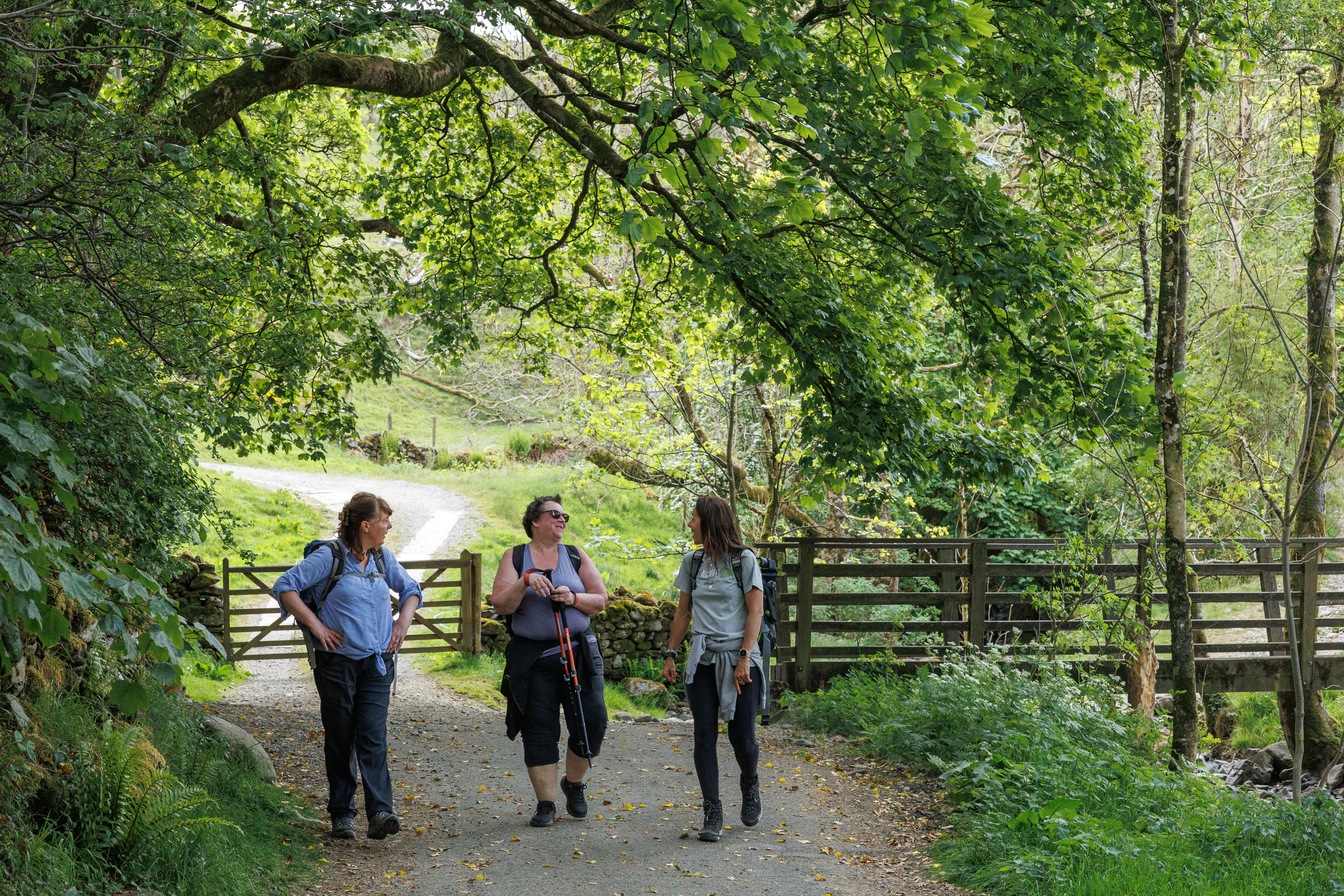
Photo credit: Anna Bailey Photography
There is something magical about being outdoors. Whether it’s in a local park, on a beach or alongside a river. The sound of bird song, breathing in the fresh air, feeling the earth beneath your feet. It’s good for the mind, the body and the soul – and there’s a reason why.
We all know that exercise is good for us whether it's walking, wheeling, running, cycling or swimming. However, taking part in these activities outdoors and in in nature provides extra benefits you might not be aware of.
Immune system boost
Trees (and plants, hedgerows and even some seaweed) all emit an organic compound called a phytoncide. Research carried out by Dr Qing Li in the 1980s found that when we absorb these phytoncides into our system they boost our NK cell count, a special type of white blood cell that acts as our body’s first line of defense against certain diseases and cancers.
Mental health benefits
Although we live in twenty-first century Britain, our bodies haven’t evolved much from our hunter gatherer ancestors, especially our nervous system. The sympathetic nervous system is also known as ‘fight or flight’ and helps direct attention and energy from our body into keeping us safe when we come up against a stress factor.
While our would have been triggered into action when they encountered a bear, a wolf or mountain lion, today’s triggers are more likely to result from incoming emails, social media notifications, and even watching the news. It’s a constant barrage of triggers which doesn’t do our health and wellbeing any good.
Biophilia hypothesis
Time spent outdoors in nature is proven to trigger your parasympathetic nervous system. When you hear birdsong or the gentle ripple of water in a babbling brook, it helps you relax. This is caused by the biophilia hypothesis, which goes back to our hunter gatherer ancestors and means that we have a deep-rooted familiarity with natural sounds. Our subconscious picks up on these sounds, tells us that we’re safe and kickstarts our parasympathetic nervous system.
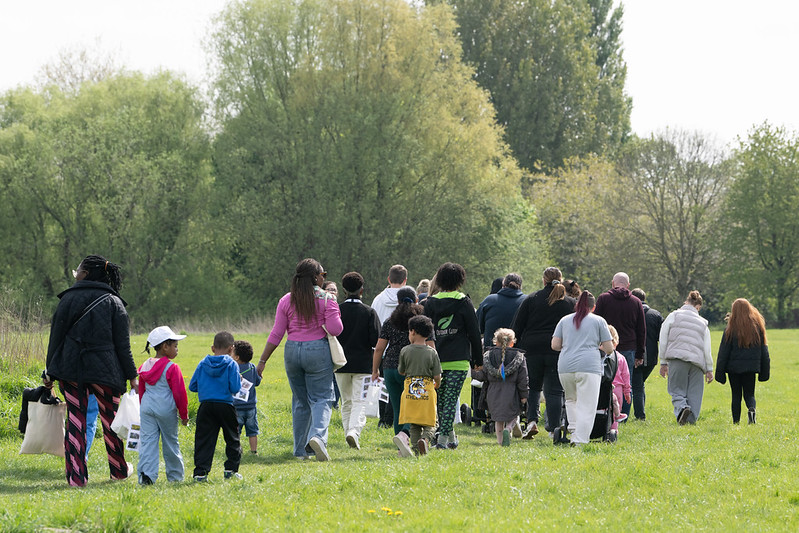
Photo credit: Coventry City Council
Attention Restoration Theory
Intense concentration on anything can be draining. But taking a break or simply engaging in what can be described as a ‘restorative environment’ can help reduce our mental fatigue. The Attention Restoration Theory, developed by Rachel and Stephen Kaplan in the late 1980s, describes four key components that make an environment restorative:
Fascination – this needs to easily hold our attention and be something that requires little concentration and enables mental reflection. For example, waves crashing on a shoreline.
Being away – this needs to be an environment that is psychologically or physically removed and distant from your everyday life.
Extent – there must be enough structure and content within that environment to make it feel like you are being immersed in it.
Compatibility – this needs to be an environment that the person actively wishes to be engaged with and exposed to.
The great outdoors, whether it’s rugged coastlines, the lakeland fells, riverbanks or forests, offers something to suit just about everyone. The joy of all of this is that you don’t really have to be doing anything specific to benefit – just being outside is enough. Your body will naturally do the rest for you.
Find out for yourself – come take a walk outdoors with us this National Walking Month.
The Outdoor Guide was founded over 15 years ago by Julia Bradbury and her sister Gina to inspire more people to step outside and go for a walk. With over 600 curated walks across the country, we have something for all abilities, whether it’s a route for little boots or someone looking to take on a national trail as a challenge. Alongside the walks, we offer recommendations for places to stay, pitstops where walkers are welcome en route and some of our favourite pieces of kit that we think every walker should know about.