
A 20-minute walk? Just what the doctor ordered
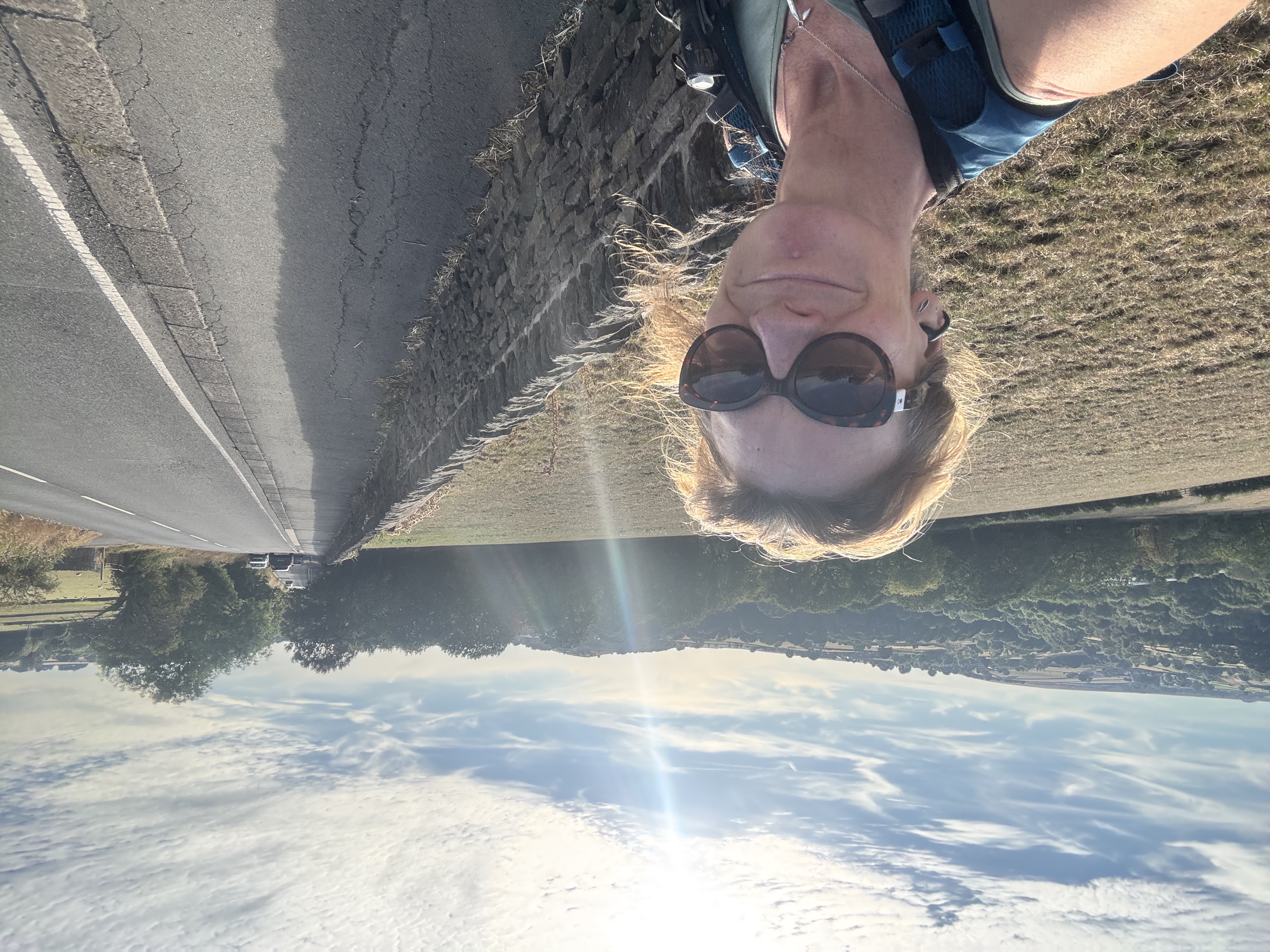
Dr Jo Maher, is an NHS GP, public health advocate and Living Streets trustee with a long-standing interest in the links between walking, health and community wellbeing. She is Senior Partner at her practice in North Sheffield and worked across organisations in Sheffield with the Move More campaign. She shares how walking and physical activity can improve health and wellbeing.
September is nearly here, and for many families the new school year has already begun. It's a natural moment to reset—not just for children, but for all of us. A fresh routine is an opportunity to build in healthy habits from the start, before the momentum of term-time takes hold.
Recently, the Chief Medical Officers (CMOs) of England, Scotland, and Wales updated the guidance on physical activity for adults children and people living with a disability. Taking into account new research since the last update in 2019, there is an increased emphasis that for good physical and mental health, adults should aim to be active every day. Any activity counts—and more is better still.
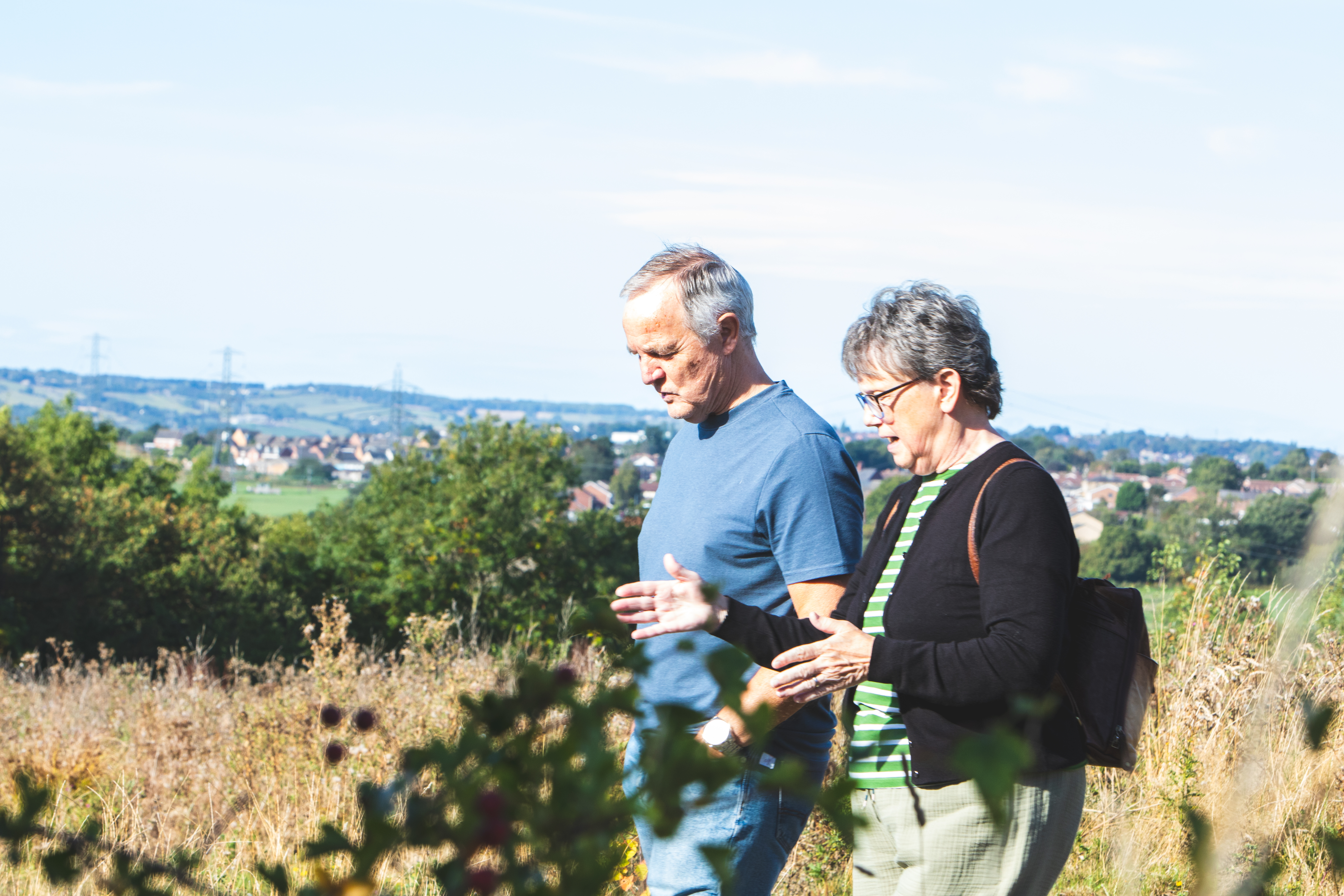
Every step counts, make it regular, make it a habit. 20 minutes a day is all you need.

This is an important shift away from rigid targets. Data shows one-third of people do not get enough activity to maintain good health, it also shows nearly half of all children don’t get the recommend amount of physical activity. Moving more now, will improve bones, muscles, minds- in fact the whole body not just now but for the future. The impact on that change for kids will be lifelong. Small wins now, matter in the long term.
When embedding healthy habits for yourself or the family, it’s often a matter of juggling. I recommend trying Living Streets #Try20 tips, 20 minutes, done. Happily, the ideal dose of ‘the miracle cure’ of physical activity for adults is about 20 minutes a day, or 150 minutes of moderate activity per week. For school-aged children it is 60 minutes per day but as the CMOs say, every movement counts. More is better still.
#Try20 is simple, flexible, and a perfect starting point as routines reset. Whether you're looking to walk to school or work, invite friends for a walk & chat, try a walking meeting with colleagues, or take a mindful evening stroll, the checklist offers practical options that fit into different parts of your day. It also gives good practical advice how to cope with changes like the hot weather when making plans to be active.
As a GP, I hear daily from patients who know being active matters to help their own health. Being active can prevent and improve ill health and many conditions including cancer, diabetes and heart problems. Some people are more able to motivate themselves, but a lot of us find it easier to commit to healthy habits with others - studies confirm that social support is vital to sustain behavioural change. It also means someone else benefits - win-win.
If you're trying something new, or returning to activity, I'm pleased to say you will notice the difference quickly—sometimes in just a few days or weeks. Even 10 minutes of brisk walking per day for a week can deliver measurable gains in fitness, mood, and quality of life. And over time, those daily 20 minutes add up to the 150 minutes a week the CMO guidance recommends—not through perfection, but through consistency.
You could set a reminder for the #Try20 checklist, share with your family or colleagues. Start small and do it together- that way the healthy habits stick for everyone.

About the author
Jo Mayer
Dr Jo Maher is an NHS GP, public health advocate and trustee at Living Streets.