
Women and Girls
At Living Streets' UK Walking Summit 2026, Local Transport Minister Lilian Greenwood announced that Active Travel England will issue new guidance to councils in England from that helps them to consider how to improve the safety of streets for women and girls.
Historically however, the specific ways in which women and girls move through public space – and the barriers they encounter on our streets - have been overlooked in planning and policy.
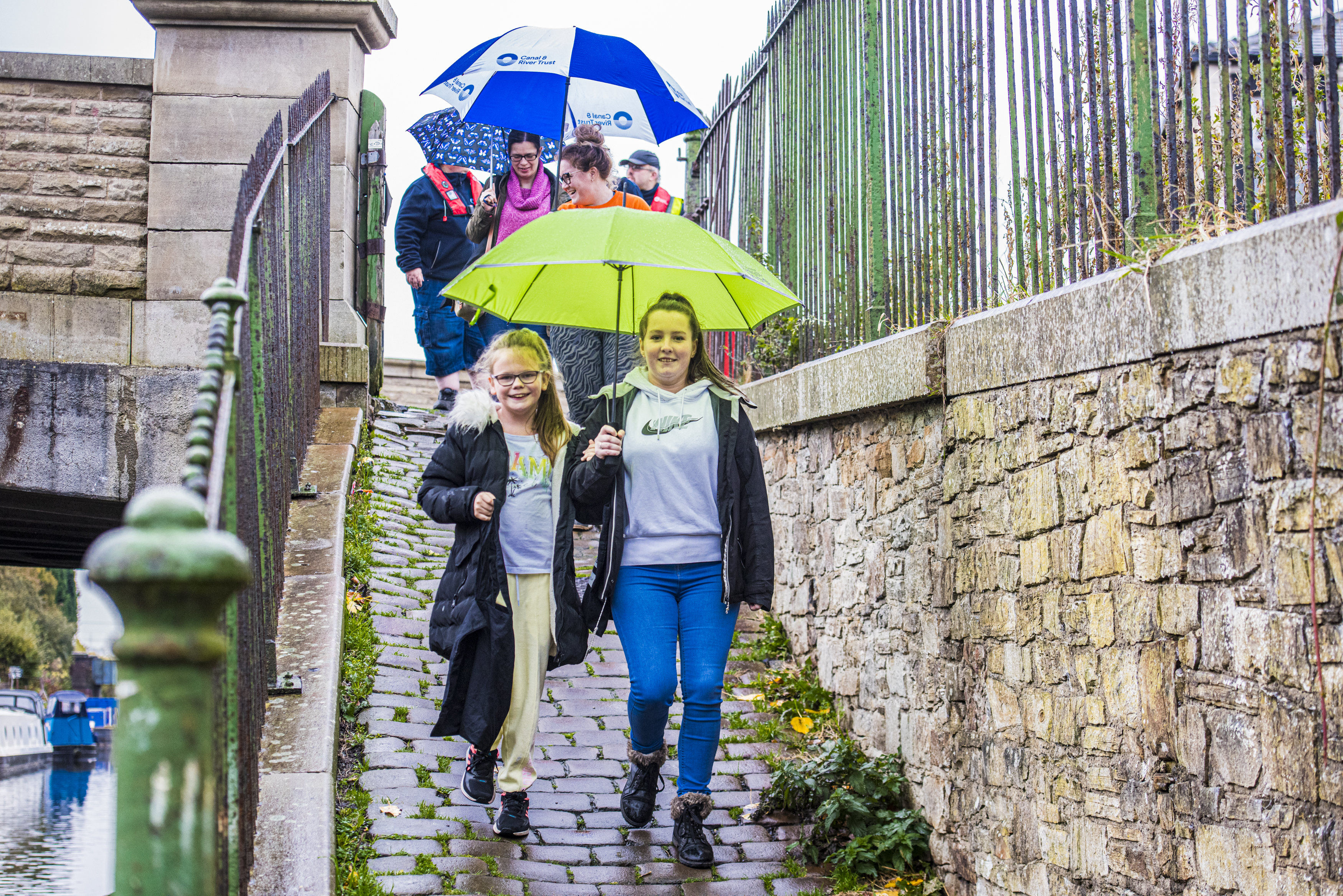
Women use public space differently from men, they typically make more multi-purpose journeys, are more likely to travel with children, carry bags or equipment, and rely on public transport. These patterns shape how women navigate streets, the timings and routes they choose, and the challenges they face.
What is the current situation?
The Problem
Crucially, women’s behaviour cannot be understood without recognising the role of safety.
Concerns about harassment and safety, particularly when walking at night, alone, or in quieter areas, shape the areas women feel able to access. Both experienced and anticipated harassment significantly shapes how women travel and which spaces they feel able to use.
- Recent YouGov polling found that 9 in 10 women have reported feeling unsafe walking after dark, and 1 in 3 young women are put off walking locally due to personal safety fears.
- The 2021 UN Women UK YouGov survey found that 71% of women and 86% of women aged 18-24 have experienced sexual harassment in public space.
- These experiences influence behaviour and restrict mobility. Research from YouGov in 2022 found that over half of women (53%) compared with just 16% of men, regularly avoid being outside at certain times to avoid harassment.
- Disabled women are more likely than non-disabled women to experience harassment in public space, with their experiences intersecting with gender and other aspects of their identity.
Current Policy Context
Women’s concerns about harassment in public spaces have wider policy implications for public health, active travel, sustainability, gender inequality and education. It is therefore essential that this is addressed.
The government has taken some steps to address safety for women and girls including the recent ATE announcement as well as:
- Violence against women and girls (VAWG) strategy - a whole society approach to tackling VAWG, including harassment, emphasising prevention.
- Protection from Sex-based Harassment in Public Act 2023 – establishes causing intentional harassment due to a person’s sex or presumed sex an offence.
- Safer Streets Fund – fund for interventions tackling neighbourhood crime, VAWG, and anti-social behaviour.
- Transport safety for women and girls’ interventions scan – an overview of the types of interventions relating to VAWG on the transport system.
- The Cycling and Walking Investment Strategy (CWIS) – one of the objectives in the strategy is to ‘ensure people are safe to travel actively’.
Alongside government approaches and national policy, community groups and local campaigns across the UK are also responding to women’s safety concerns, often stepping in where systemic gaps remain. These include Catcalls of Sheffield, Make Space for Girls, InfraSisters, and the Light the Way Campaign.
WHAT WE THINK
We believe that a more robust approach to policy is needed – one that places women, girls and minority genders at the centre of urban design, planning, and transport policy. Meaningfully addressing women’s safety requires prioritising lived experience, amplifying underrepresented voices, and embedding these insights into every stage of policy development.
Designing safe, inclusive streets requires physical interventions, but it must also be rooted in understanding how women and girls move, what they experience, and why current systems have facilitated feelings of unsafety in public space. Learning from lived experience should therefore become a core principle of urban design. AtkinsRéalis produced this toolkit, to help transport planners design spaces that consider women’s safety. It includes ideas for best practice covering landscape, human presence (including passive surveillance), digital, infrastructure, community, and ‘TLC’ (including enhancing and maintaining the streetscape), with a particular focus on the first and last mile of women's journeys.
EXAMPLES OF GOOD PRACTICE
- Queen Elisabeth Olympic Park, London – demonstrates how gender-informed urban design principles and lived experience can shape safer and more inclusive public spaces
- Superblocks, Barcelona – Part of the city’s wider gender justice plan, superblocks centre the daily experiences of women and girls and support sustainability, mobility and social cohesion through incorporating green spaces, bike lanes, playgrounds, public seating and cultural spaces.
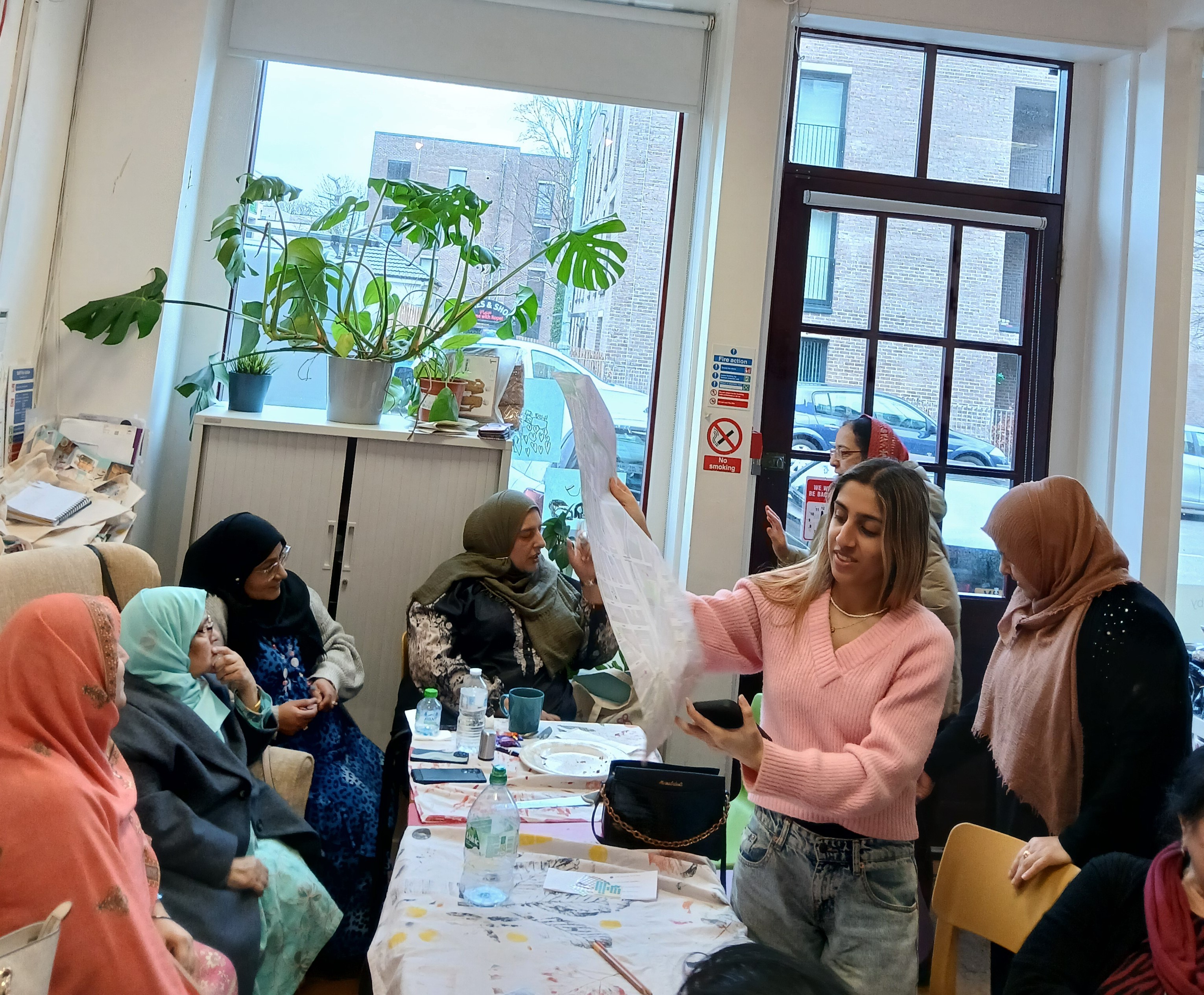
- Living Streets, Glasgow – Living Streets facilitated a workshop with South Asian Women in Glasgow to understand how minority groups experience walking, and how this can inform policy. Read our blog here: The streets we walk and the streets we don’t.
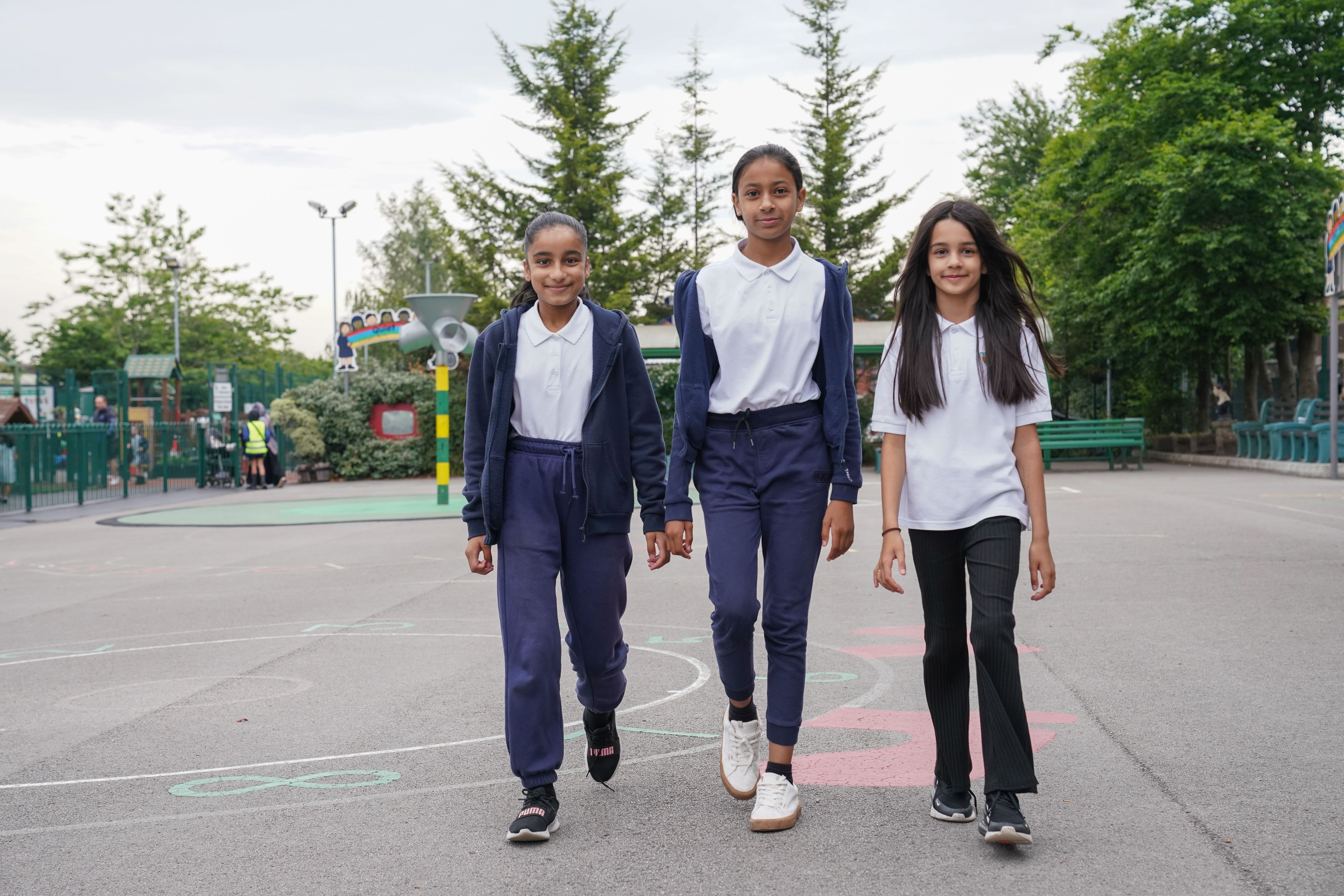
- Living Streets, Croydon – Croydon Living Streets group, in collaboration with Stanley Arts creatively engage with young people to help them feel safe and welcome in local public spaces. Read more here: Making public spaces welcoming for young people.
What Living Streets Wants
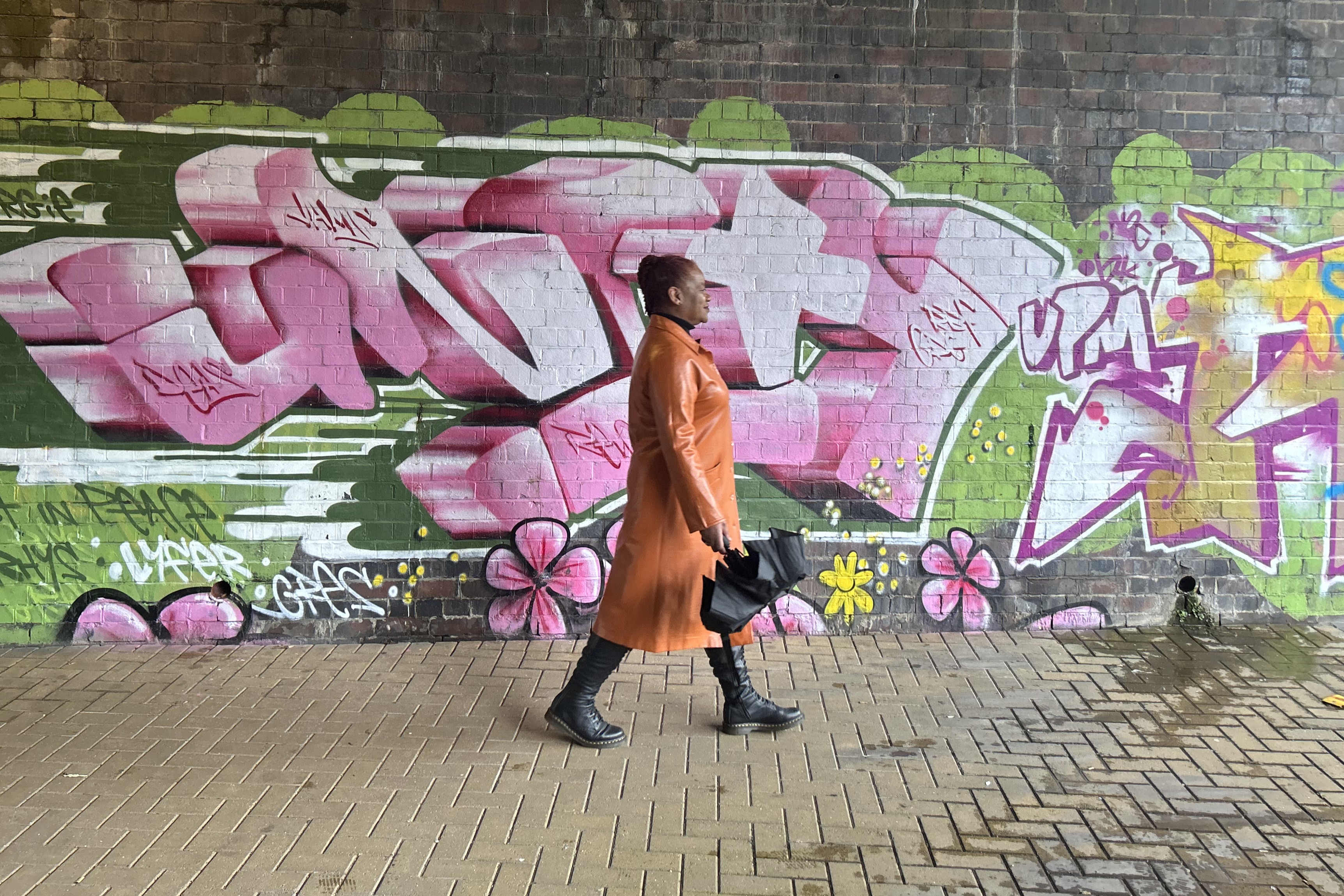
Living Streets wants streets and neighbourhoods where every woman and girl can walk wherever they want, whenever they want – free from harassment, fear and exclusion. Achieving this requires not only behaviour change among those who perpetrate harassment, but also policy, and a planning system that actively prioritises the needs of women and girls.
For too long, the way women use public space has been overlooked in policy and design.
We are calling for a planning and transport system that embeds gender‑informed, intersectional design principles at its core. We believe that the draft National Planning Policy Framework (NPPF) should be updated to explicitly consider the safety of women and girls in planning and design.
WE WANT:
Improved lighting across walking routes, parks, bus stops, stations, and locations where women report feeling unsafe, ensuring visibility, improving feelings of safety and reducing opportunities for harassment in dark spaces.
Safer, better connected walking routes that are direct, well maintained and fully accessible, with clear sightlines and fewer blind corners.
More rest and comfort infrastructure, including benches, resting points and public toilets, to help women and girls feel welcomed and able to move confidently.
Attention to unsafe sections of our streets, such as underpasses, bridges, large roads, tunnels and isolated crossings. Alternative routes should be considered, and these areas should be improved with lighting, active surveillance, and clear sightlines.
Safer mixed transport journeys, recognising that women often combine walking with public transport. This includes safer bus stops and stations, better sightlines, protected cycling routes, and staff training on harassment awareness.
More effective active and passive surveillance, including trained staff, maintenance teams, community wardens and CCTV where appropriate – alongside street designs that naturally attract more people, particularly women and girls, to create busy, safer environments that deter anti-social behaviour.
Improvements to the public realm that consider women and girls, making public realm improvements such as greening, pedestrianisation, and pedestrian friendly infrastructure that create public spaces that people want to spend time in helps create busier, more vibrant streets, which in turn makes spaces that feel safer for everyone – including women and girls. Read more about this in Living Streets’ Pedestrian Pound report.
Intersectionality embedded in design, ensuring that gender informed principles reflect the lived experiences of all women – including disabled women, trans women, older women and women from minority ethnic backgrounds – and that vulnerability and protected characteristics are central to planning and decision making.