
World Public Transport Day - a reason to celebrate?

World Public Transport Day is today (17 April 2026), a global celebration of the journeys that move us and the people who make them possible.
Every journey starts with a walk or wheel; and our Campaigns & Public Affairs Coordinator Zak Viney discusses walking’s role within an integrated transport system.

We are all pedestrians at some point. Whether that’s to get to a bus or tram stop, a train station or even to pick up a hire bike. Walking is the glue that binds public transport journeys together, so it’s imperative that pedestrian journeys are safe, convenient and pleasant if we want more people to ditch the car and use public transport.
Growing up in a small village just outside Leicester, buses were vital to connect me to my first Saturday job; and I’d often walk or cycle between the villages in my borough to see friends. As for many, learning to drive was seen as rite of passage and expectation. The expense and irregularity of buses; and indirectness or absence of walking and cycling infrastructure meant that owning a car felt essential. As a young person, I required transport options that were convenient and that I could access independently.
But are things changing? In England, The UK Government’s new ‘Better Connected: strategy for integrated transport’ aims to address some of the issues I experienced growing up, as well as shaping a transport system resilient to new trends and technologies. The Strategy 'considers transport through a needs lens', focussing not on what people are using or want, but what they need from the transport system.
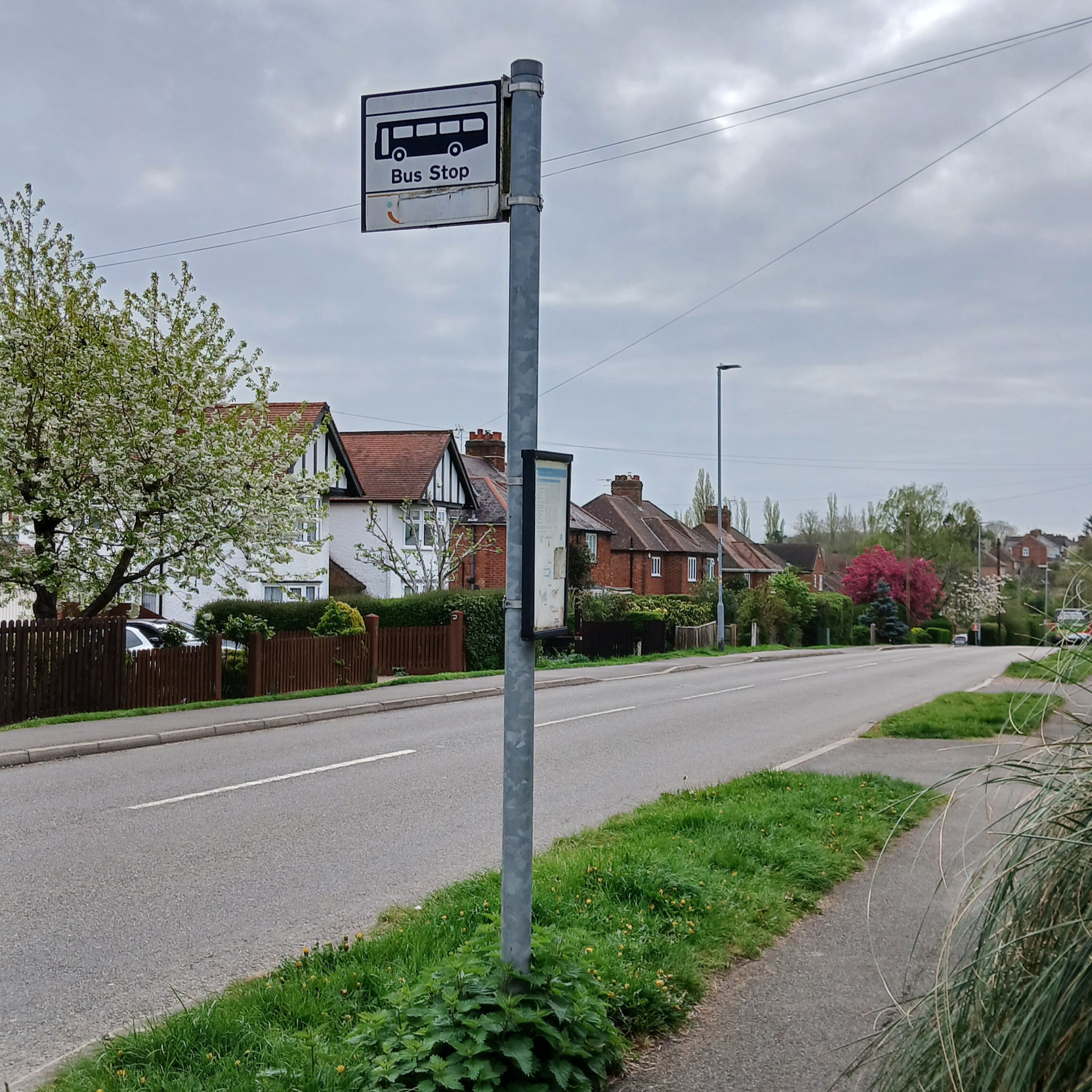
The bus stop nearest to my family home
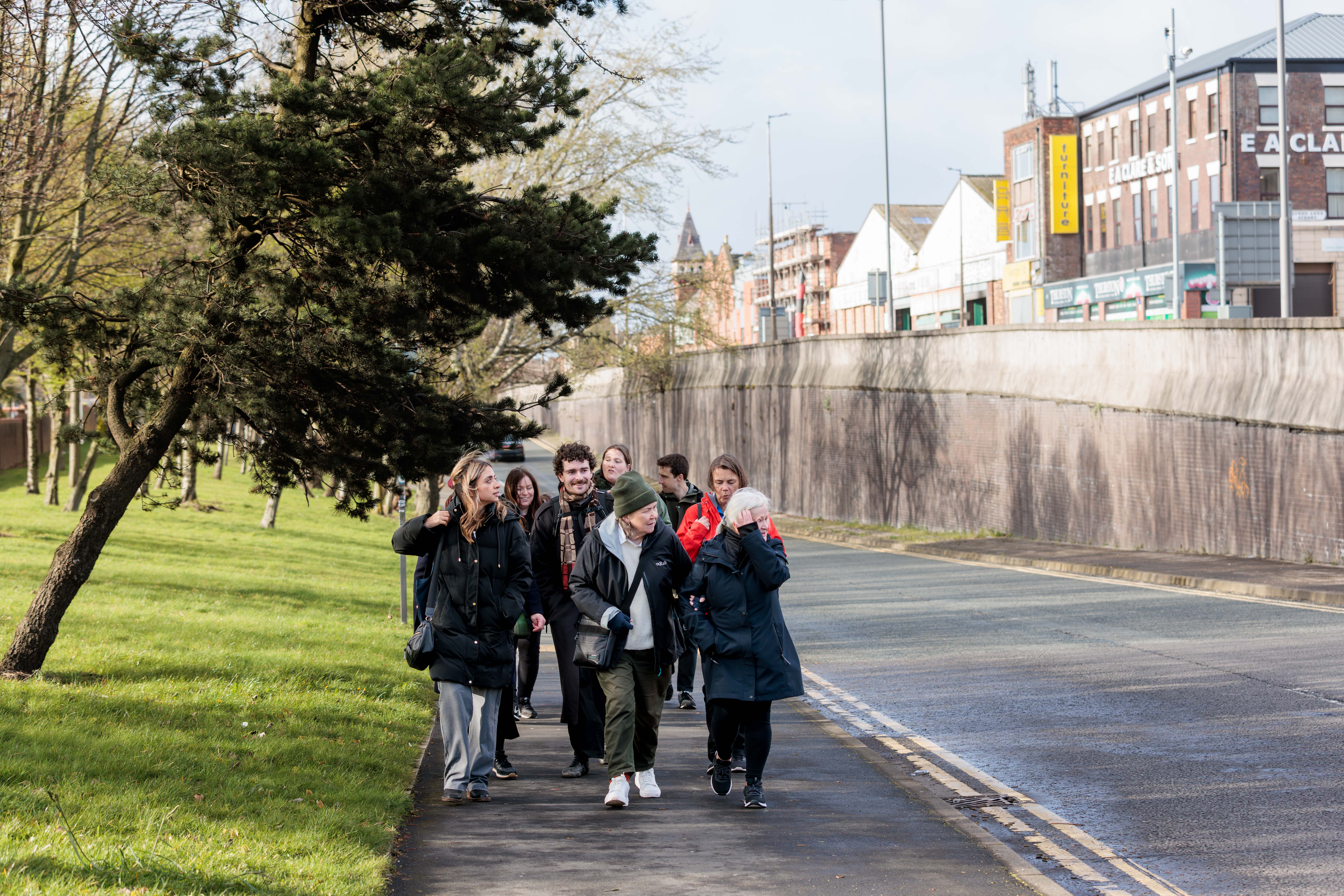
Opportunities for walking
Better Connected makes a commitment to make journeys by active, shared and public transport easier and more accessible, notably mentioning walk, walking or pedestrians 53 times; cycle, cycles or cycling 78 times; wheeling 35 times and drivers, drive or driving 51 times. This commitment is strengthened by a pledge to update Network Management Duty Guidance for local transport authorities, making clear that pavements and cycle paths must be planned, maintained, and managed with the same priority as road infrastructure.
Walking is the cheapest transport mode, so enabling pedestrian journeys supports the Strategy’s commitment to embed a new measure of transport poverty - where people can’t afford or have access to safe, reliable transport options. The Government has also committed to an Accessible Travel Charter, which aims to incentivise transport providers and local government to acknowledge and remove the obstacles that impact disabled people accessing transport options.
The Strategy outlines a priority to create ‘healthier communities’ and makes walking core to this approach. Holding parity with UK Government priorities related to English Devolution, the Government pledges to award integrated funding settlements to regions, enabling decisions related to local transport provision to be made by local leaders.
This extends to empowering local leaders with new powers, such as acting against pavement parking and rolling out simpler zebra crossings to strengthen pedestrian priority and make walking and wheeling an obvious choice for short journeys. Living Streets has previously raised concerns of consistency and fairness where transport decisions, such as addressing pavement parking, are enforced locally. We believe it’s important that a strategy’s outcomes are aligned to a national vision, which Better Connected acknowledges.
Better Connected recognises the opportunity of walking to create healthier communities, and prioritises that decisions on transport, housing and wider development will be integrated - creating better connected places.
As part of the Better Planning Coalition, Living Streets has long advocated for a more holistic approach to planning, with essential needs and services accessible by a walk, wheel or cycle and an end to car-dependent planning. We’ll be holding governments’ accountable to ensure that all new developments are built as walkable and wheelable communities.
More widely, the Strategy pledges to several steps forward on transport integration, such as integrated ticketing and a universal parking app. The Government commit to also assess the quality of walking and wheeling routes to rail stations.
Technology was a core theme to Better Connected’s ’Call for Ideas’ and is not billed as a fix all, but to complement the wider approach of the strategy. It encourages the use of data for transport authorities to experiment with innovative solutions; and that technologies such as autonomous vehicles are set to complement the integrated system and not replace it.
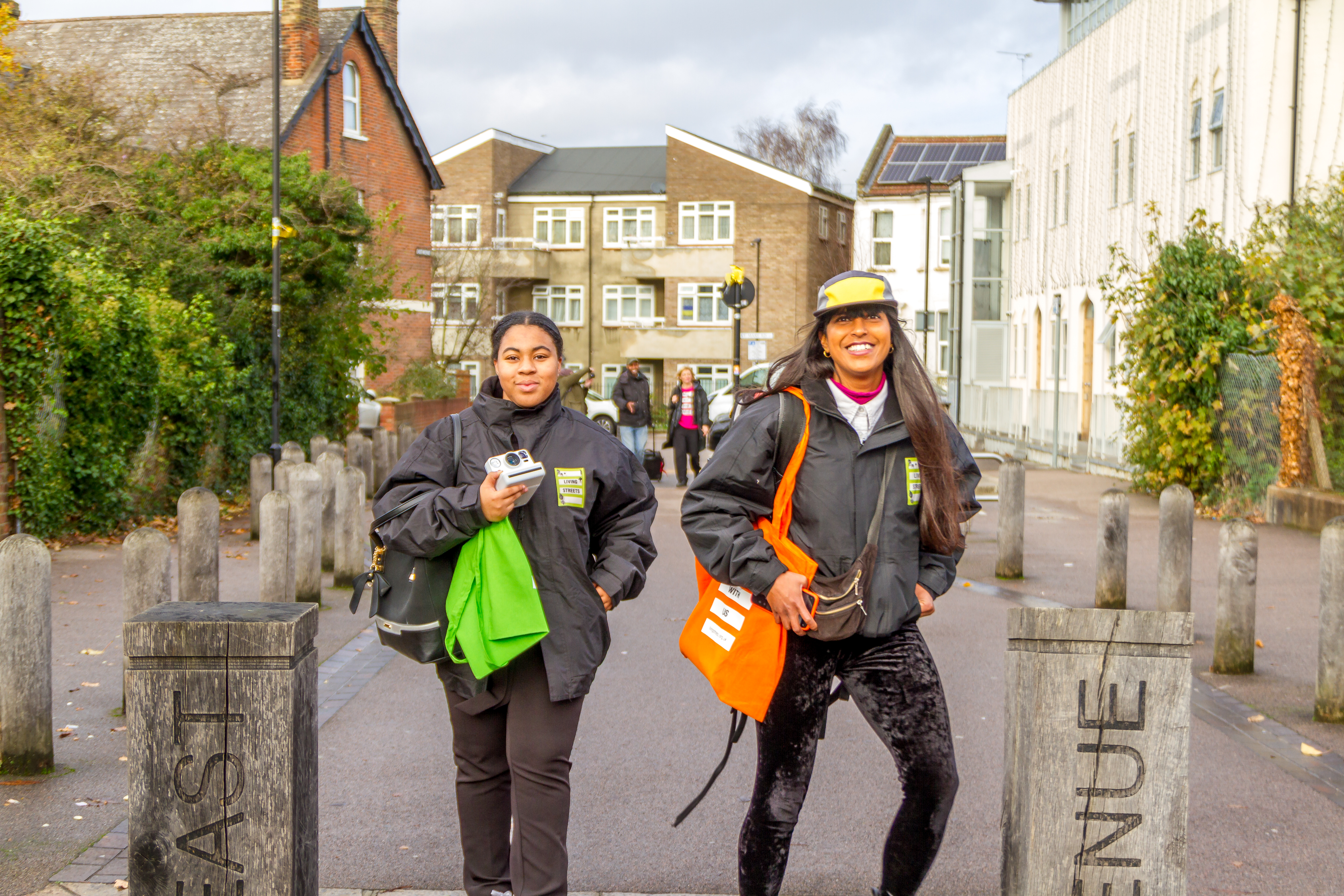
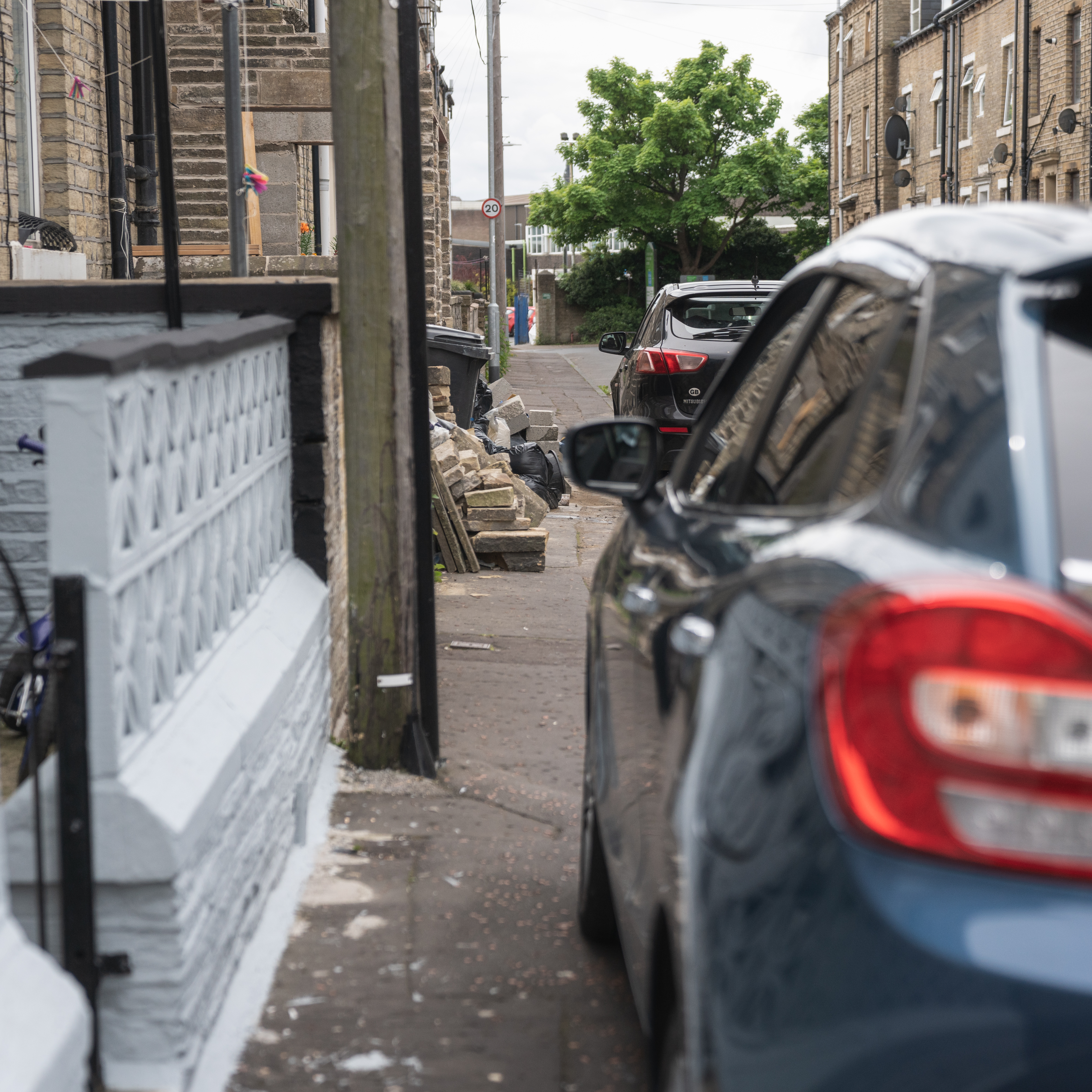
The elephant in the room
Better Connected adapts a tone of ‘enabling transport choice’, of which this is certainly important. However, decades of car-dominated transport planning have left a legacy of an unbalanced transport system, with motor convenience prioritised at the expense of other users’ safety and convenience.
Living Streets believes that measures to shift journeys away from private motor trips are essential to make sustainable modes palatable – ie making private vehicle travel a ‘harder choice’. This was core to our submission to the Strategy’s ‘Call for Ideas’, where we called on the UK Government to repair, renew and rebalance our transport system.
This problem is not new, nor subject to improve. Motor travel is expected to increase by 54% by 2060; and despite this harrowing prediction, we’re disappointed at the absence of friction introduced into the transport system to make car journeys less attractive.
Framing transport within an environmental lens is also notably absent, despite a quarter of our domestic emissions coming from domestic transport – with its rate of decarbonisation stagnant in comparison to other sectors.
Yes, creating ‘healthier communities’ is a strategic priority – with a clear success metric to improve air quality. However, with no commitment to policies to address the spiralling increase of private motor vehicle miles within the Strategy, I struggle to see how metrics related to clean air will be met.
Successful policies in this area, such as Clean Air Zones are absent. Measures such as London’s Ultra Low Emission Zone reduce NO2, PM2.5 and PM10 emissions, saving hundreds of lives annually. Whilst tailpipe emissions will be addressed through the transition to EVs, major pollutants with still be emitted from tyre and brake wear – it’s clear EVs aren’t the magic bullet many hope for.

So, is World Public Transport Day cause for celebration in England? I hope so.
The cliché goes that a Strategy isn’t worth the paper it’s written on if delivery is absent. We can’t delay in making walking and wheeling the easiest and most convenient choice for short journeys, which in turn connects people and opens opportunities for everyone to benefit from our transport system. We look forward to working with local authority partners as they implement schemes to make our streets safer and more accessible for all.
We wouldn't be able to campaign for a future which puts pedestrians first without our members. Find out more about membership and other ways you can support Living Streets via the button below.
About the author
Zak Viney
Campaigns & Public Affairs Coordinator, Living Streets
[email protected]