
Why slower speeds mean safer streets
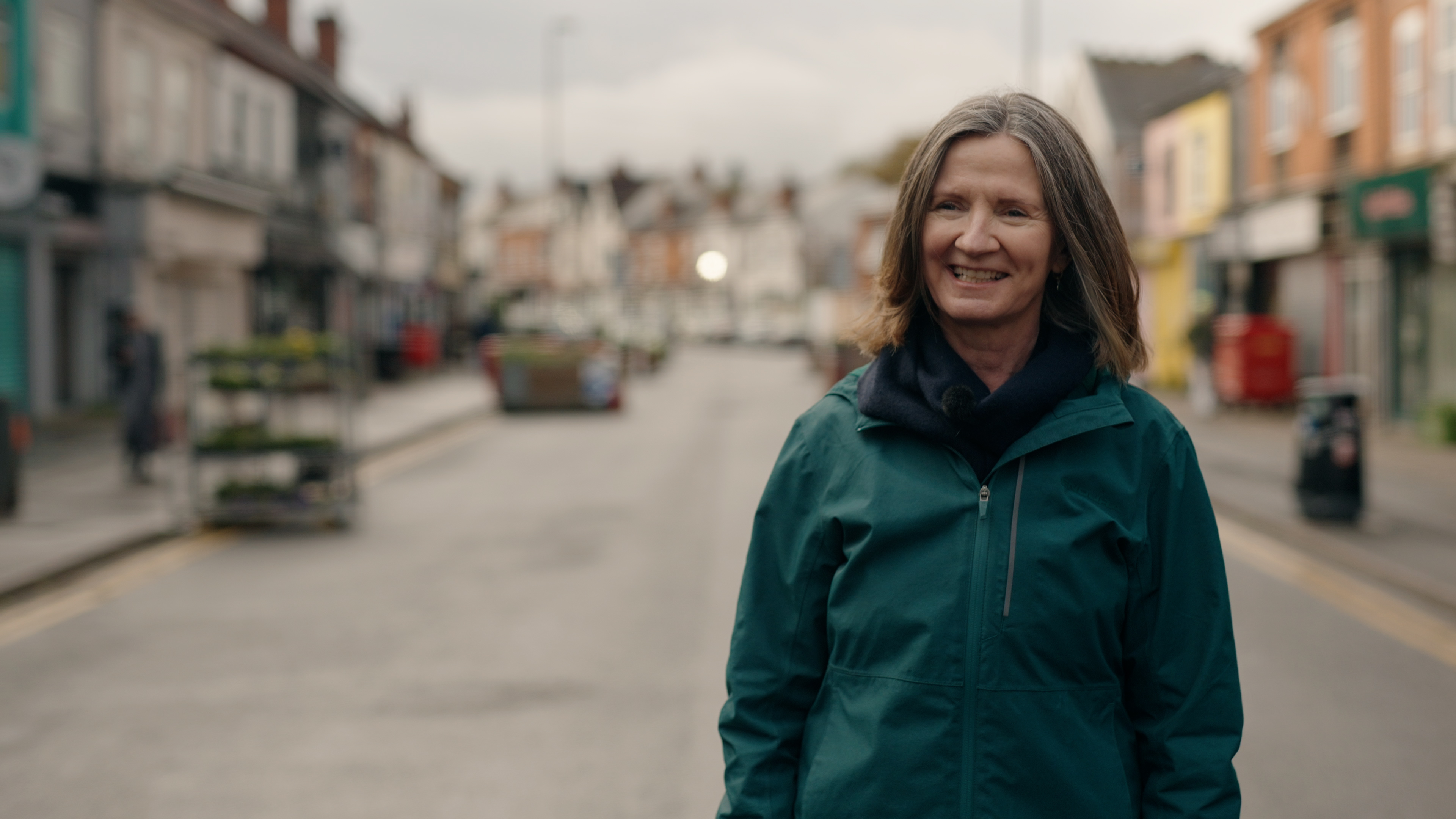
Kirsten recently appeared in our Pavement Parking film which was premiered at the Pavement Parking conference in Birmingham earlier this week
For Kirsten de Vos, the campaign for 20mph speed limits is about far more than traffic policy. It's about helping people feel safe walking to school, cycling to the shops and crossing the road in their own neighbourhoods.
A lifelong Birmingham resident and spokesperson for Mums for Lungs in the city, Kirsten says her journey into campaigning began when she started looking more closely at the impact of air pollution and road danger on local communities.
"I've always lived in Birmingham and not seen what I see very clearly now," she says. "I didn't see because I was so used to the pollution, noise and congestion."
A turning point came in 2017, when a documentary ‘Fighting for Air’ about air pollution was filmed on the high street her son walked along every day to get to school.
"It was the first thing that made me think, oh my goodness, that's not good. And maybe that's why our son keeps getting these respiratory issues."
After discovering Mums for Lungs, Kirsten began volunteering with the organisation and eventually became its Birmingham spokesperson. Around the same time, her family made a major lifestyle change.
"We sold our car over four years ago now, so we just get around the city on foot, by bike and on public transport," she says. "I thought ‘I can't really be campaigning about air pollution if I'm driving around’".
Creating streets where children can thrive
As a parent, Kirsten believes that vehicle speeds have a significant impact on children's freedom and independence.
"My middle child wanted to cycle to school. I just remember being absolutely terrified at the thought of it," she says.
Through her work with schools and community groups, she has repeatedly seen concerns about speeding vehicles raised by parents and teachers.
"I did some campaigning with a school that's very near us, where the school Head Teacher just said ‘somebody's going to be killed outside the school’".
For Kirsten, the argument for lower speeds is ultimately straightforward.
"If a child is hit by a car going at 30 miles an hour, they are a lot more likely to die than if they're hit by a car going at 20 miles an hour. So it's just common sense, really, the physics of it all."
She is also keen to challenge the idea that lower limits are only needed around schools.
"Children don't only exist around school," she says. "They might want to go to the shops, the library, after school activities, their friends' houses."
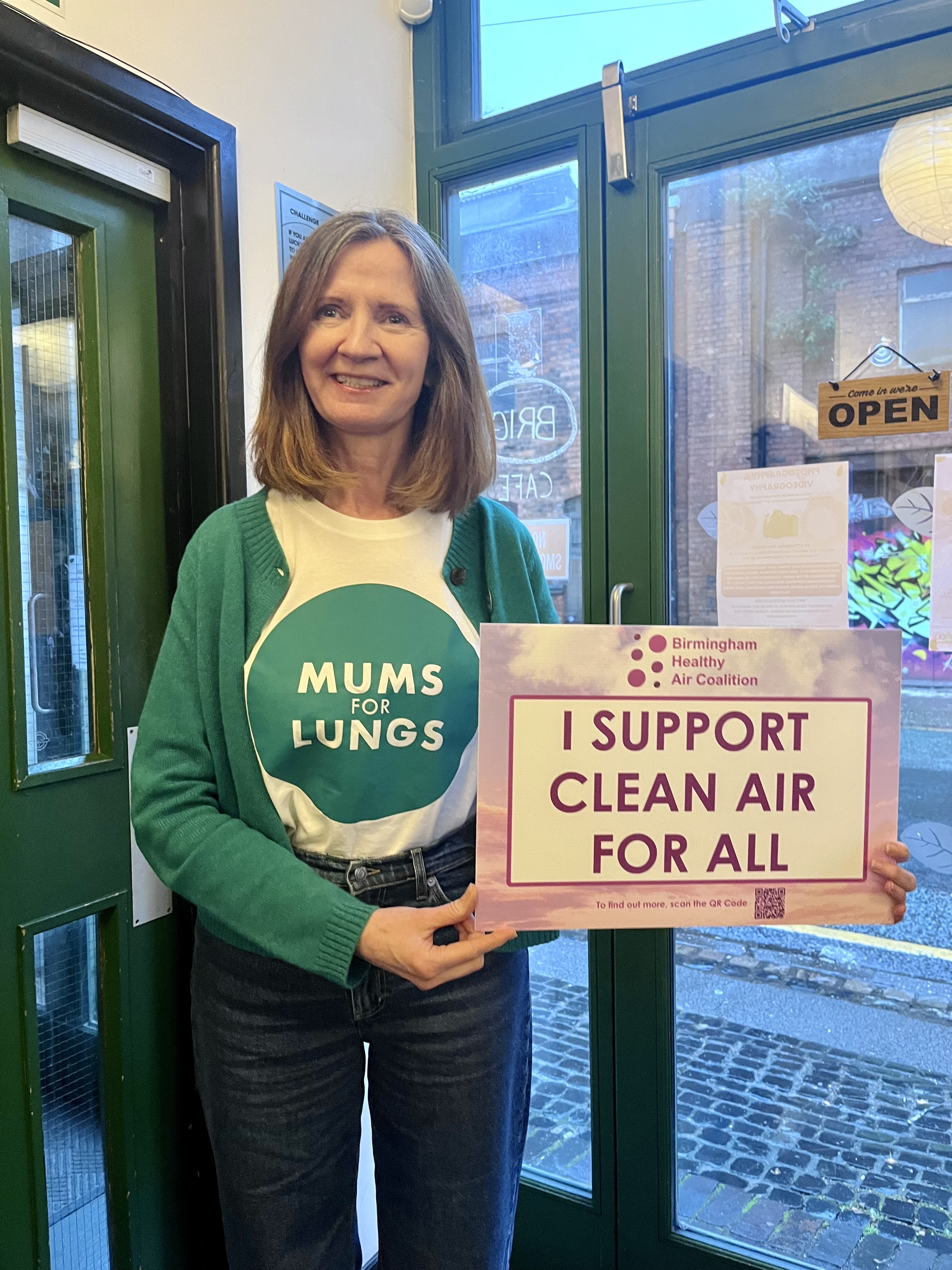
Kirsten is a lifelong Birmingham resident and spokesperson for Mums for Lungs
More pleasant places to walk, wheel and cycle
While road safety is often the focus of discussions about 20mph limits, Kirsten believes the benefits go wider.
"The slower the traffic going past you when walking and cycling, the more pleasant it feels," she says.
Her experience of Birmingham's low-traffic neighbourhoods and calmer streets has shown her how changes to road environments can encourage more people to travel actively.
"As somebody who cycles, the roads with slower moving traffic are just so much less threatening.
“They're quieter, there's less pollution and they feel much more inviting, particularly when you consider how much bigger and heavier vehicles have become."
Responding to Birmingham's road safety challenge
Kirsten's involvement with safer streets campaigning has also been shaped by personal experience.
One of the factors that drew her to Better Streets for Birmingham was the number of serious crashes taking place near her parents' home.
"It was just a crazy number of crashes outside my parents' house," she says. "There were just too many drivers speeding down the road and losing control on this corner. Sadly, there was even a fatality."
Kirsten believes that reducing speeds should form part of a broader approach to road danger reduction.
"It's one of many measures that need to come in," she says. “We need to be designing our streets around people's safety, rather than prioritising the speed and convenience of motor traffic."
Kirsten also credits campaigners such as Mat MacDonald, Birmingham's Road Safety Commissioner, for helping build momentum around the issue. During the interview she praised his role in raising awareness of road danger and championing safer streets across the city.
A vision for the future
Looking ahead, Kirsten wants Birmingham to become a city where walking, wheeling and cycling are the easiest and most attractive choices for everyday journeys.
"My utopia would certainly be 20mph limits across as many roads as possible," she says.
For policymakers considering the future of 20mph limits, her message is simple:
"It'll save lives. We've seen it save lives in Wales and in London, places where it's been implemented. Slower is safer."
And behind every statistic, she says, are real people and families.
"What if it was your child? These are real people, they're not just statistics."
As Birmingham continues debating the future of its streets, Kirsten hopes that perspective will remain at the heart of the conversation.
About the author
Living Streets