
Our round-up from the UK Walking Summit 2026

Living Streets' UK Walking Summit 2026 took place in Liverpool last week, bringing together elected officials, professionals, businesses and campaigners from across the country to discuss the future of streets.
Our policy and research associate Amy Jones, shares some of the discussion from the day.

Introduction to the day
At Living Streets' 10th UK Walking Summit in Liverpool, elected officials, transport professionals, businesses and campaigners from across the country came together to explore the future of streets and how streets can work better for everyone. In a world of emerging technologies, shifting political priorities, climate change pressures and growing competition for street space, the decisions we make today will define our streets for decades to come. The insightful discussions and debates at this year's Summit could not have been more timely.
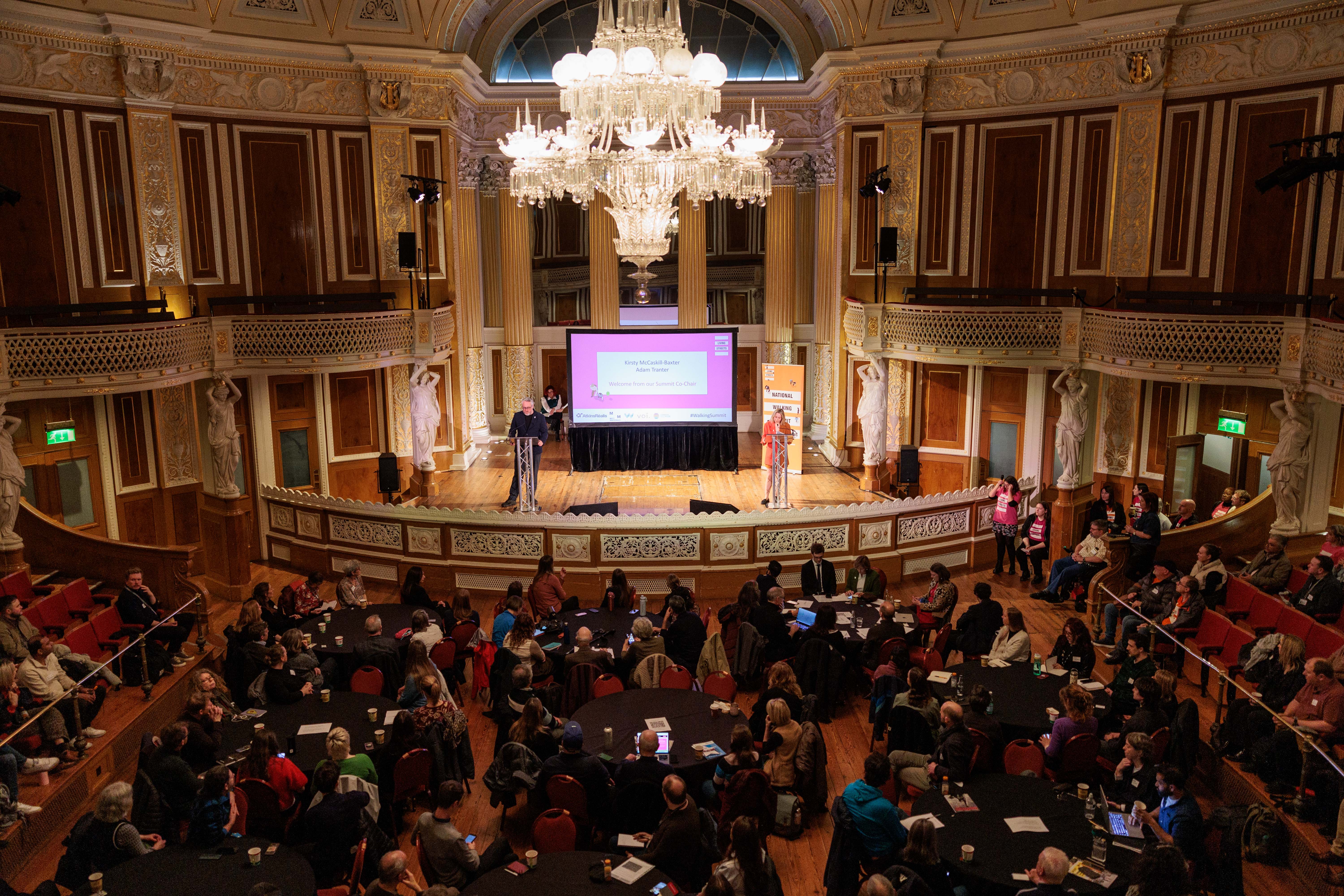
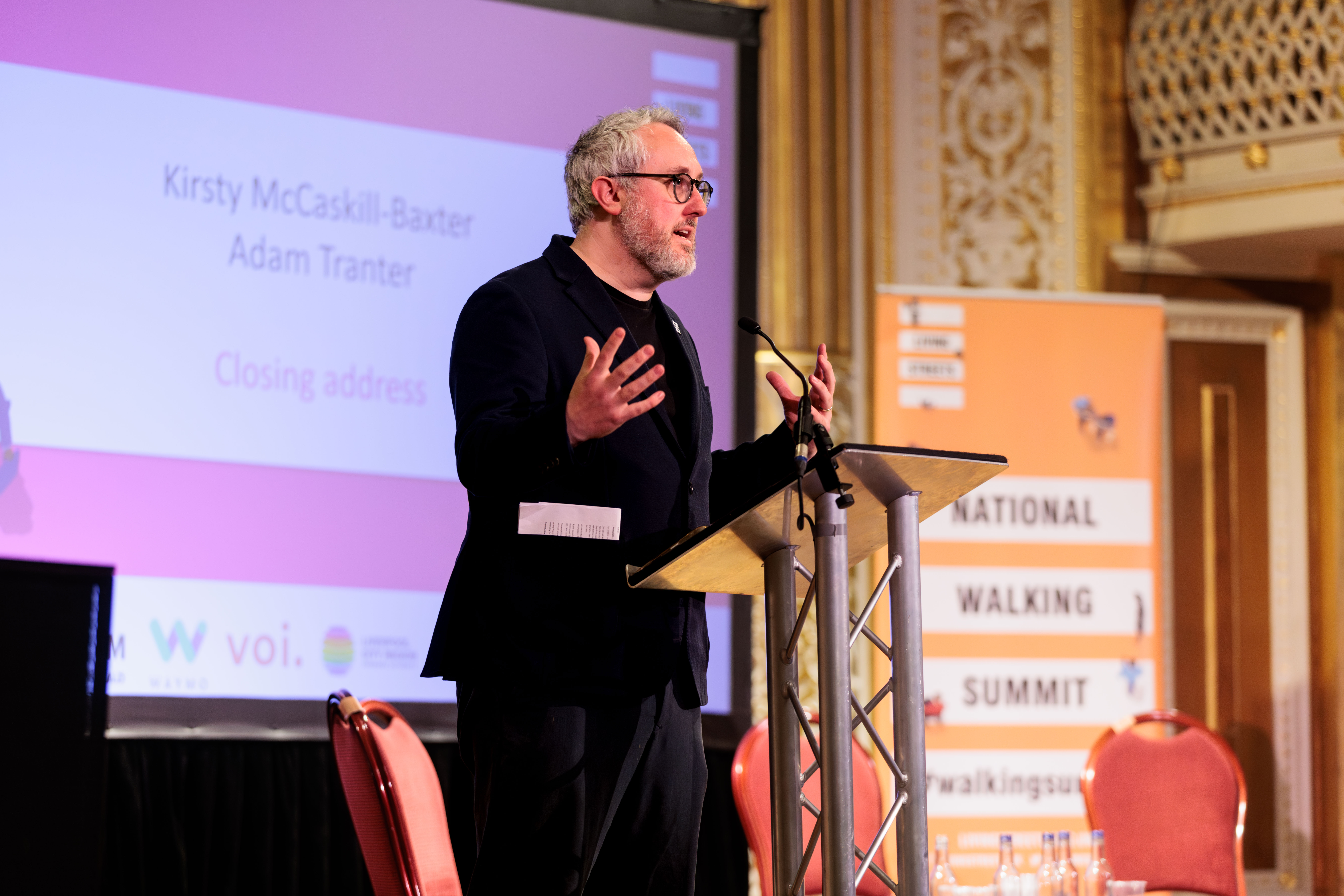
The day started with a welcome from this year’s Summit chair’s Kirsty McCaskill Baxter and Adam Tranter.
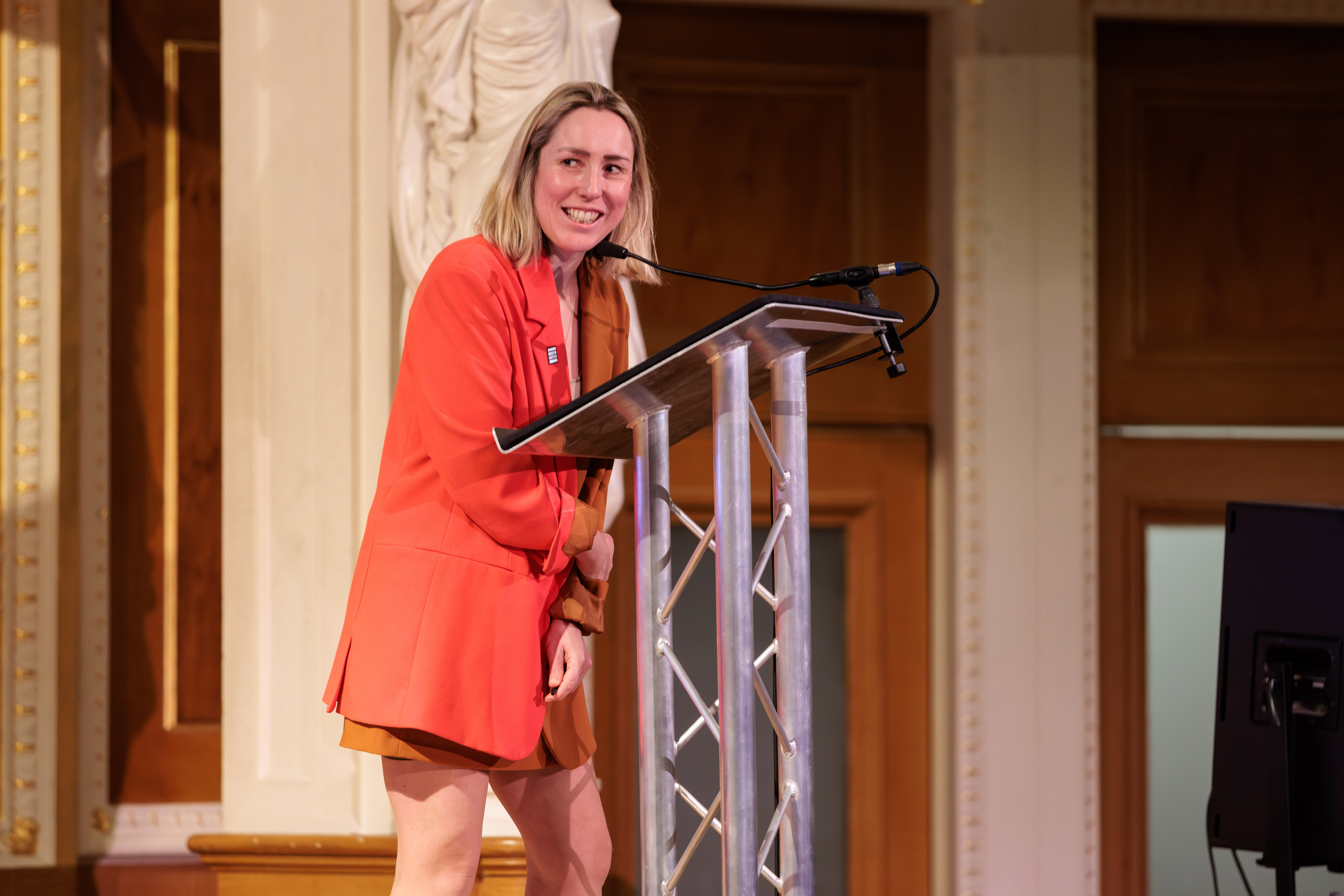
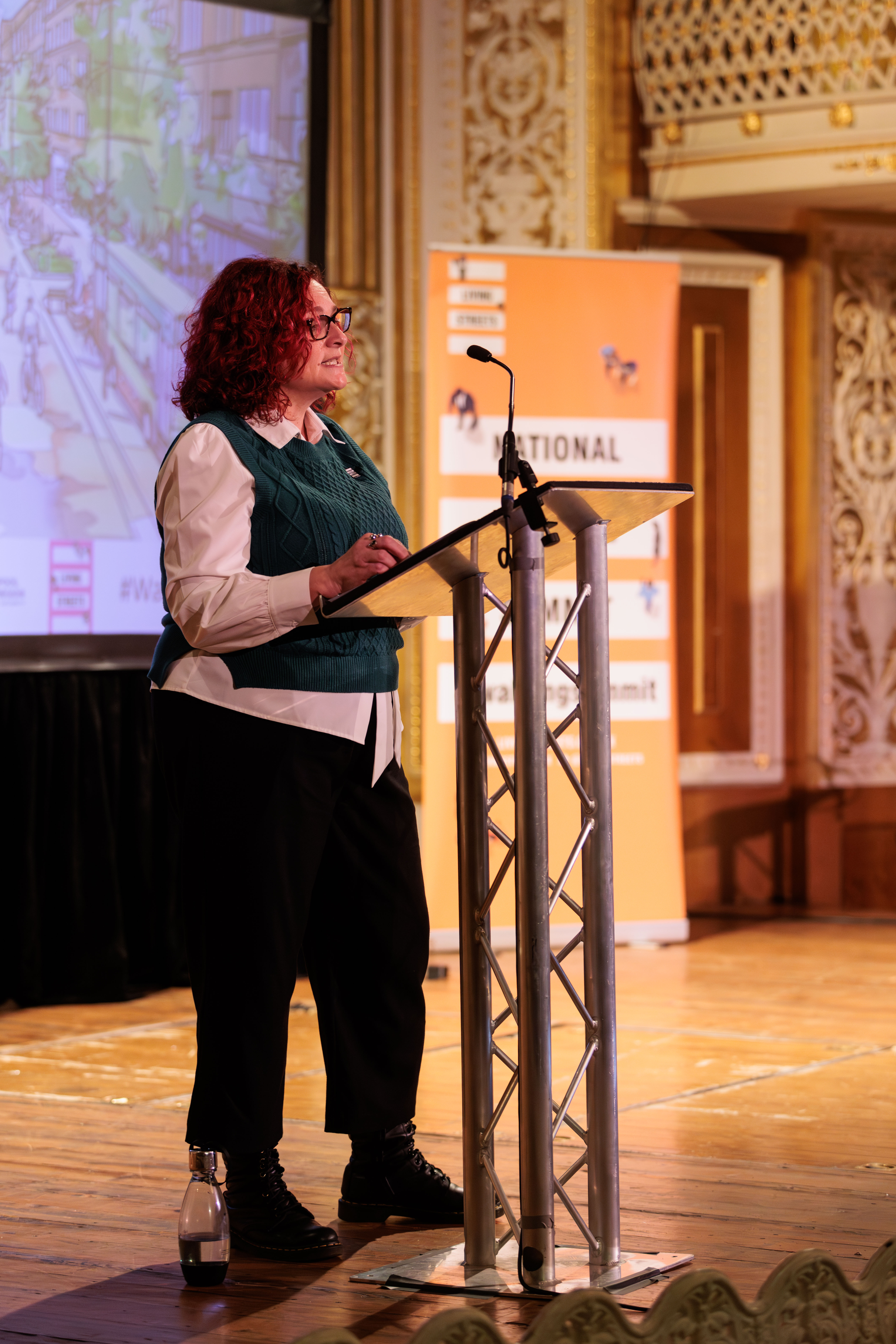
This was followed by an introduction from Living Streets CEO Catherine Woodhead, who set out the context for the day: the need to put pedestrians first. She highlighted some of the work Living Streets has been doing recently, outlined some positive recent and upcoming policy developments – including Local leaders being empowered to act on pavement parking in England, the Welsh Government’s announcement to roll-out side road zebra crossings, the UK Road Safety Strategy, and plans to pedestrianise Oxford Street in London. Catherine also announced the exciting setup of the Better Streets for Liverpool Local Group who are campaigning for safer streets, cleaner air and more transport choices for everyday trips. The Better Streets for Liverpool group subsequently presented a motion to Liverpool City Council with Ten Asks for safer streets in the Liverpool City Region – which have been voted through unanimously.
Acknowledging the uncertainties posed by the rise of electric vehicles, autonomous vehicles, e‑bikes, e‑scooters and delivery robots, she posed a central question for the Summit and indeed a question that guides Living Streets’ work: what needs to change to protect walking and ensure it becomes the default choice for everyday journeys? Catherine then introduced the fantastic keynote speakers who led the rest of the morning’s discussions.
Keynote Speakers
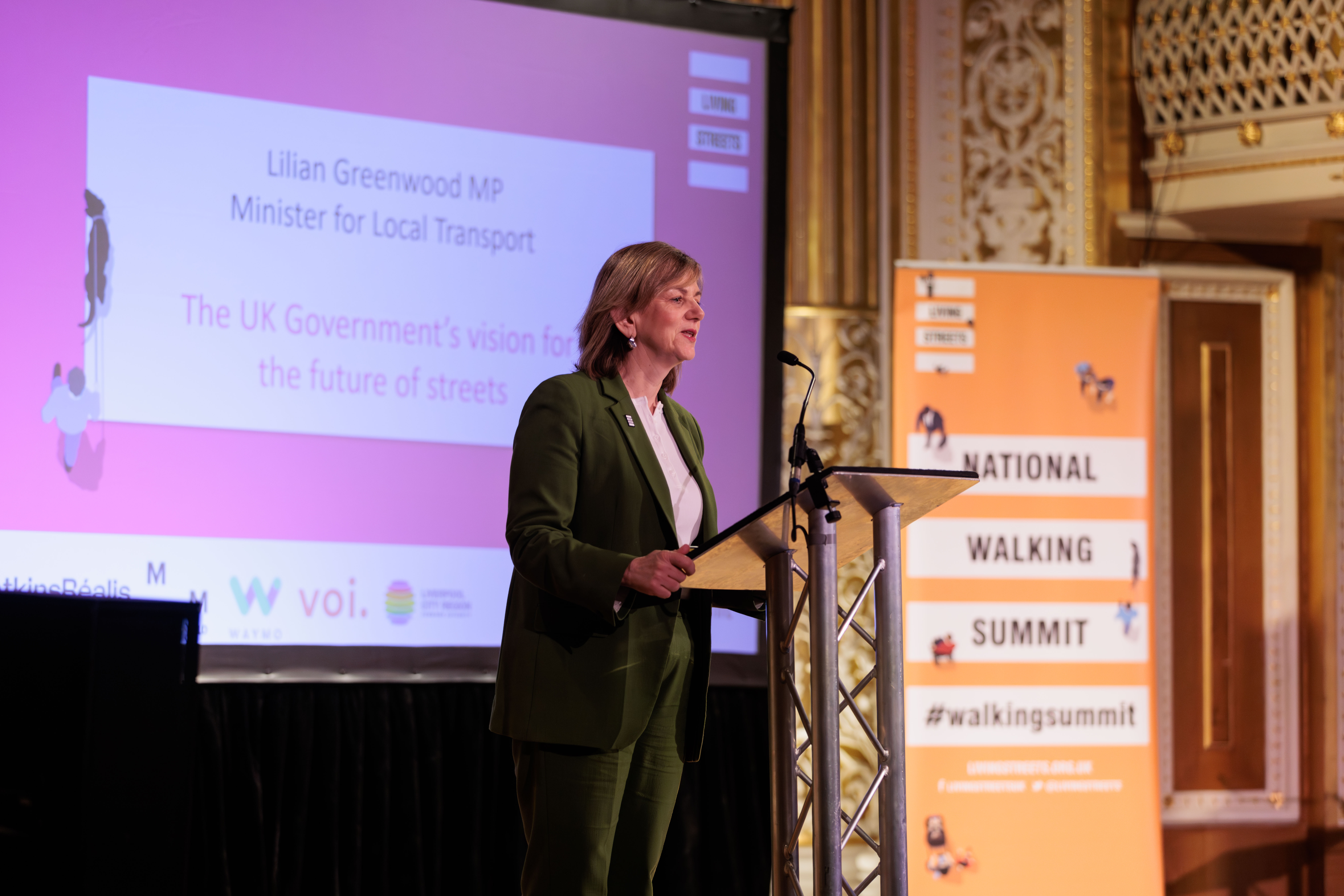
Lilian Greenwood MP
The Summit’s first speaker was MP Lilian Greenwood, Minister for Local Transport. Lilian’s speech began by stating simply that “Active Travel is a political no-brainer”: the benefits of walking are undeniable, and for that reason alone it deserves to be prioritised. Lilian argued that the way we design our streets must fundamentally change to better suit the lives, experiences and safety of everyone. She outlined how design standards are being raised across the country, highlighting the work of Active Travel England (ATE) – including the forthcoming Manual for Streets, ATE training for local authorities, a safer walking pilot, and an increase in dedicated funding to ensure accessibility is embedded throughout design processes.
But perhaps the most powerful part of her speech was the focus on safety for women and girls. As she noted “for too many people in this country, walking is not simple or straightforward”, with many constantly assessing personal safety and risk. In her speech, Lilian announced a new programme of work to address this, including a toolkit for local authorities, to support councils in designing streets that are safer for women and girls, due to be published in the spring. Find out more about this work in this video released by ATE.
Simon O'Brien
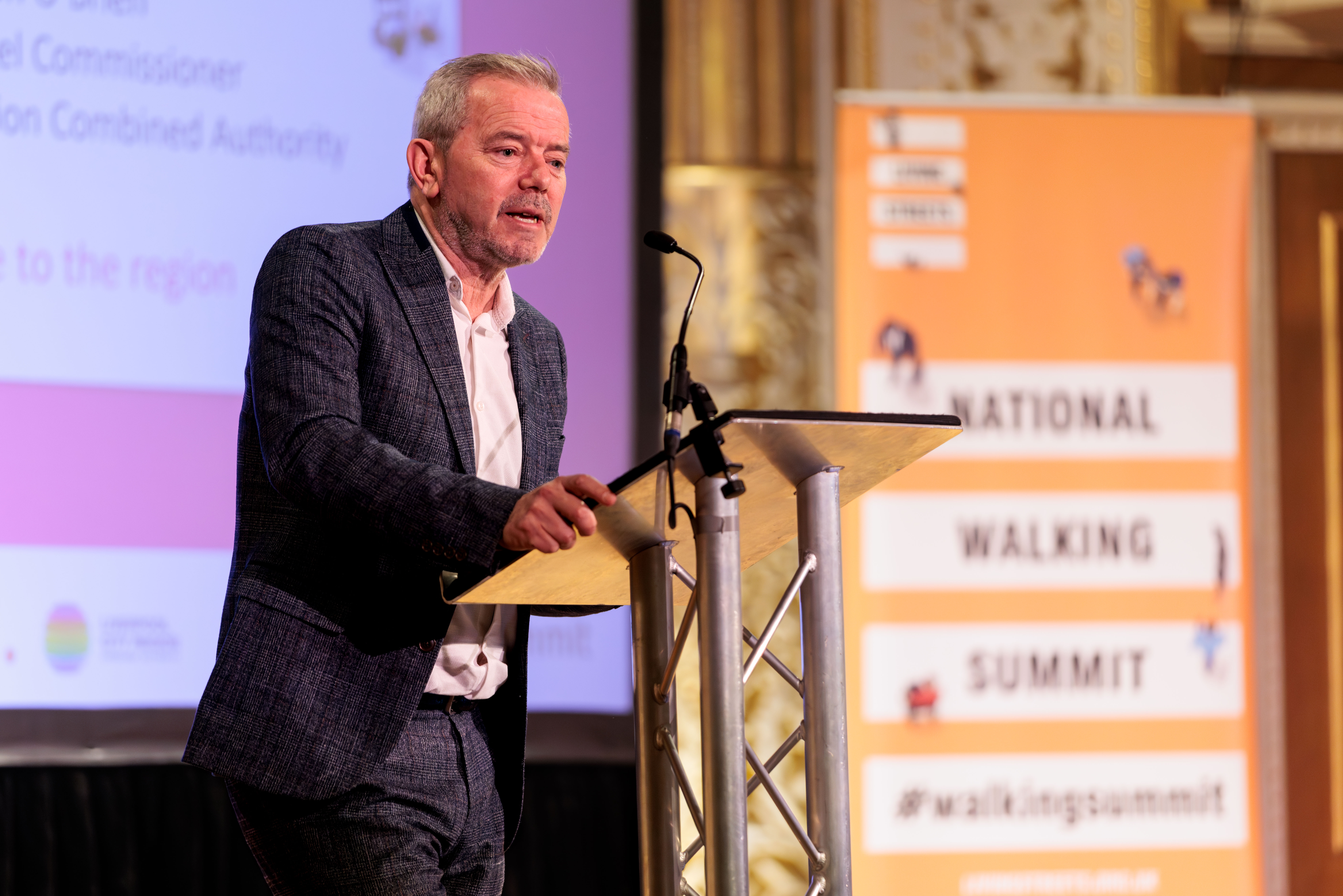
We were then joined by Simon O’Brien, Liverpool native and Walking and Cycling Commissioner for the Liverpool City Region Combined Authority (LCRCA). Simon shared a series of videos he had filmed in both Liverpool and Paris, illustrating the real, everyday benefits of improving streets for people walking and cycling. He highlighted recent work by the LCRCA - such as altering pedestrian crossings to reduce waiting times and initiatives designed to improve safety for women and girls. Ultimately, Simon argued that pedestrian‑friendly places are simply better places: better for wellbeing, better for communities and better for enjoying our streets.
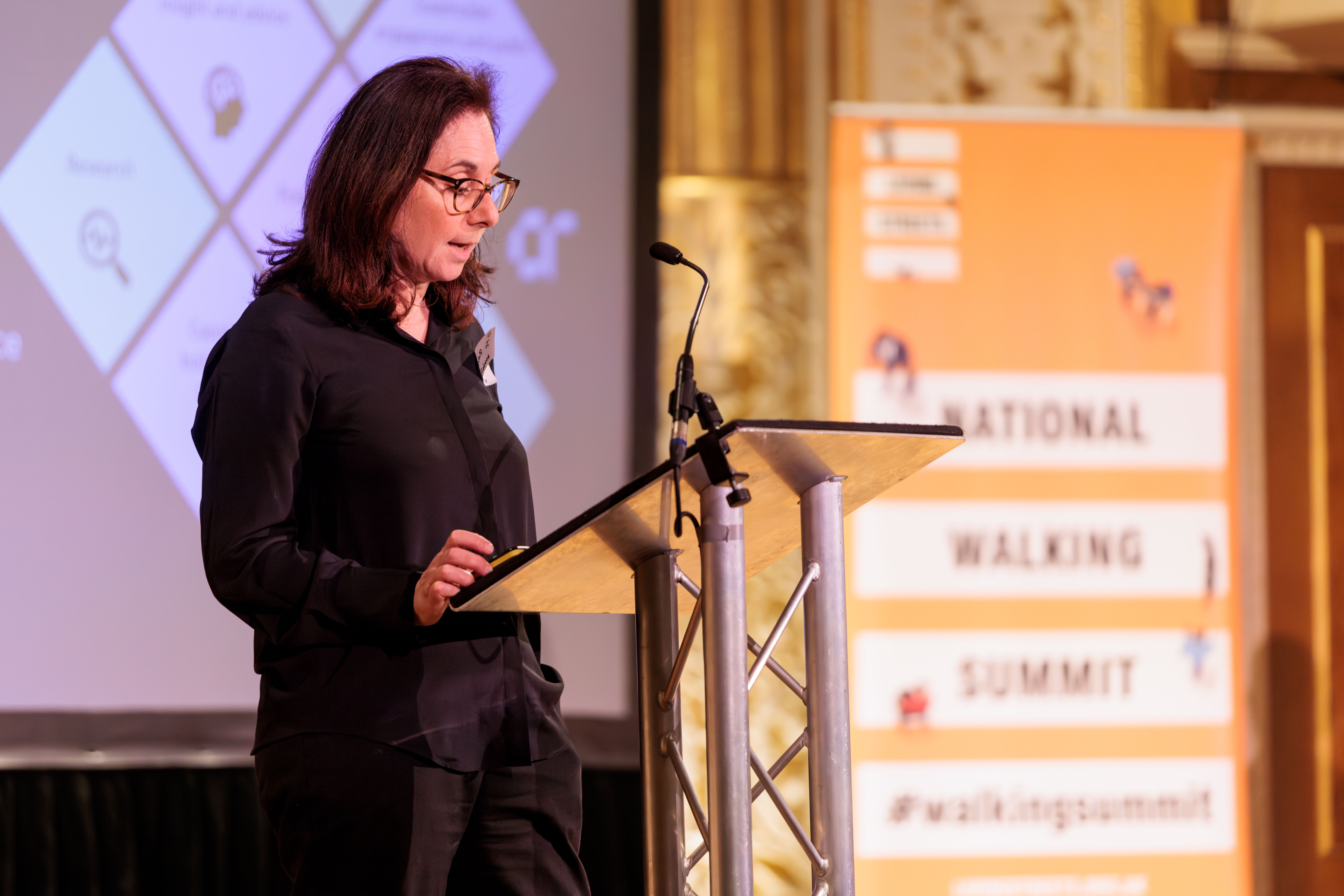
Alexei Lee and Jo Bacon
Alexei Lee and Jo Bacon, Behavioural Scientists at AtkinsRéalis gave an insightful talk on how a combination of behaviour change theories and infrastructure change can be used to put people at the heart of transport decisions.
Panel on emerging trends and technologies
The next part of the morning featured a panel discussion, chaired by Adam Tranter, on emerging trends and technologies. Each of our panellists was given five minutes to share their perspective.
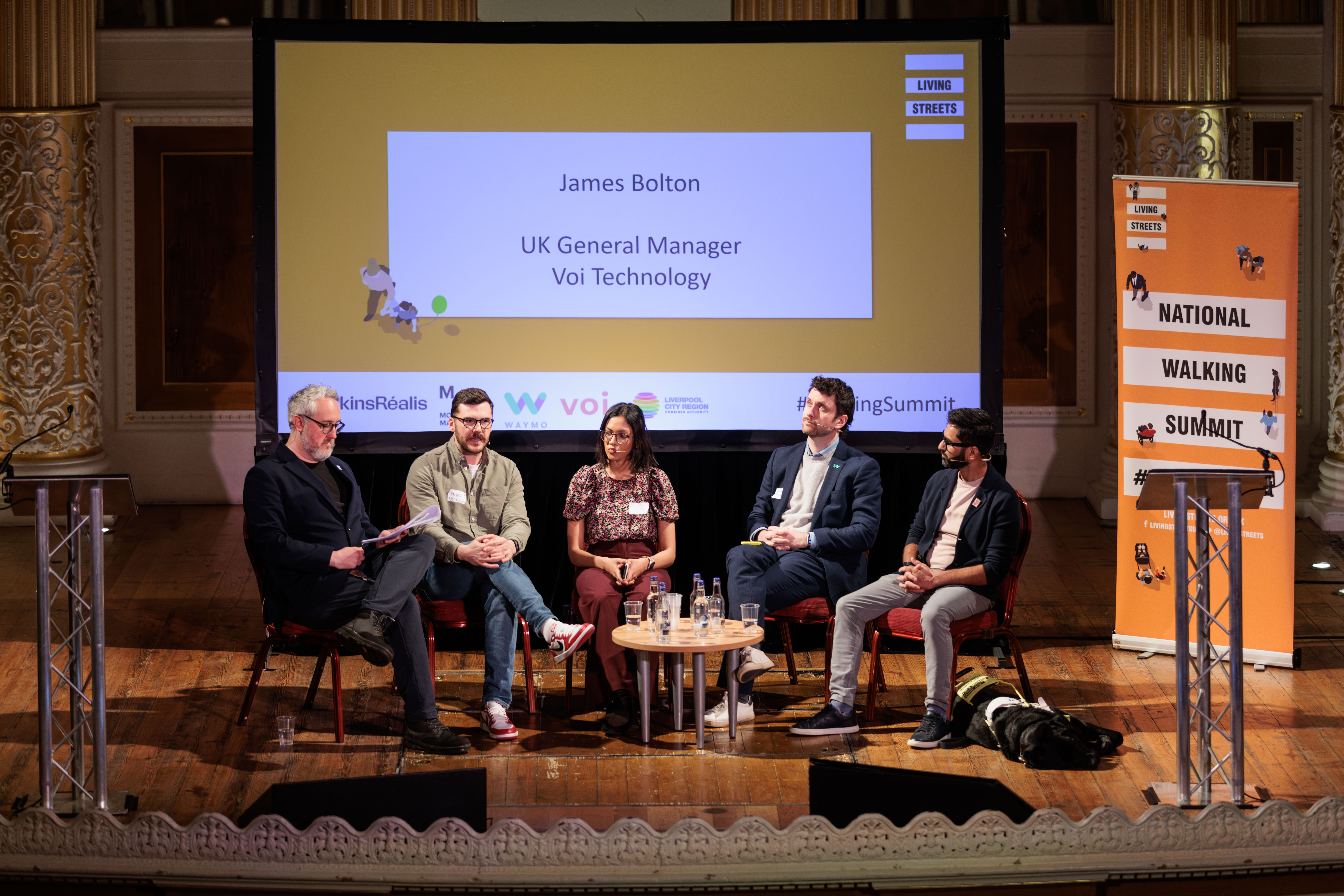
James Bolton from micromobility company Voi spoke about the organisation’s people-first approach, emphasising that “cities are made for living”. He stressed that technology is not a silver bullet but can be hugely beneficial when combined with fundamentals such as clutter free pavements. James was particularly optimistic about the role of data in improving transport planning.
Janice Jaison from Mott MacDonald, an engineering and development consultancy, highlighted the importance of avoiding reliance on a “technological fix.” Instead, she argued, we need to carefully assess where technology adds value - and where it doesn’t. She discussed the use of data and the growing potential of AI to provide deeper insights for transport planning.
Dr Amit Patel, diversity, equity and inclusion consultant, argued that technology can be transformative for disabled people - but only when the underlying infrastructure is accessible. Good street design and clear pavements, he said, matter more than any technology. He warned that poorly planned tech often harms accessibility, citing instances where e-scooters and bikes block pavements, as well as risks posed by autonomous vehicles for visually impaired people.
Jamie Hodsdon from autonomous vehicle company Waymo explained that accessibility sits at the heart of the company’s strategy and safety policy. He also shared that Waymo aims to have its vehicles operating in London by the end of 2026.
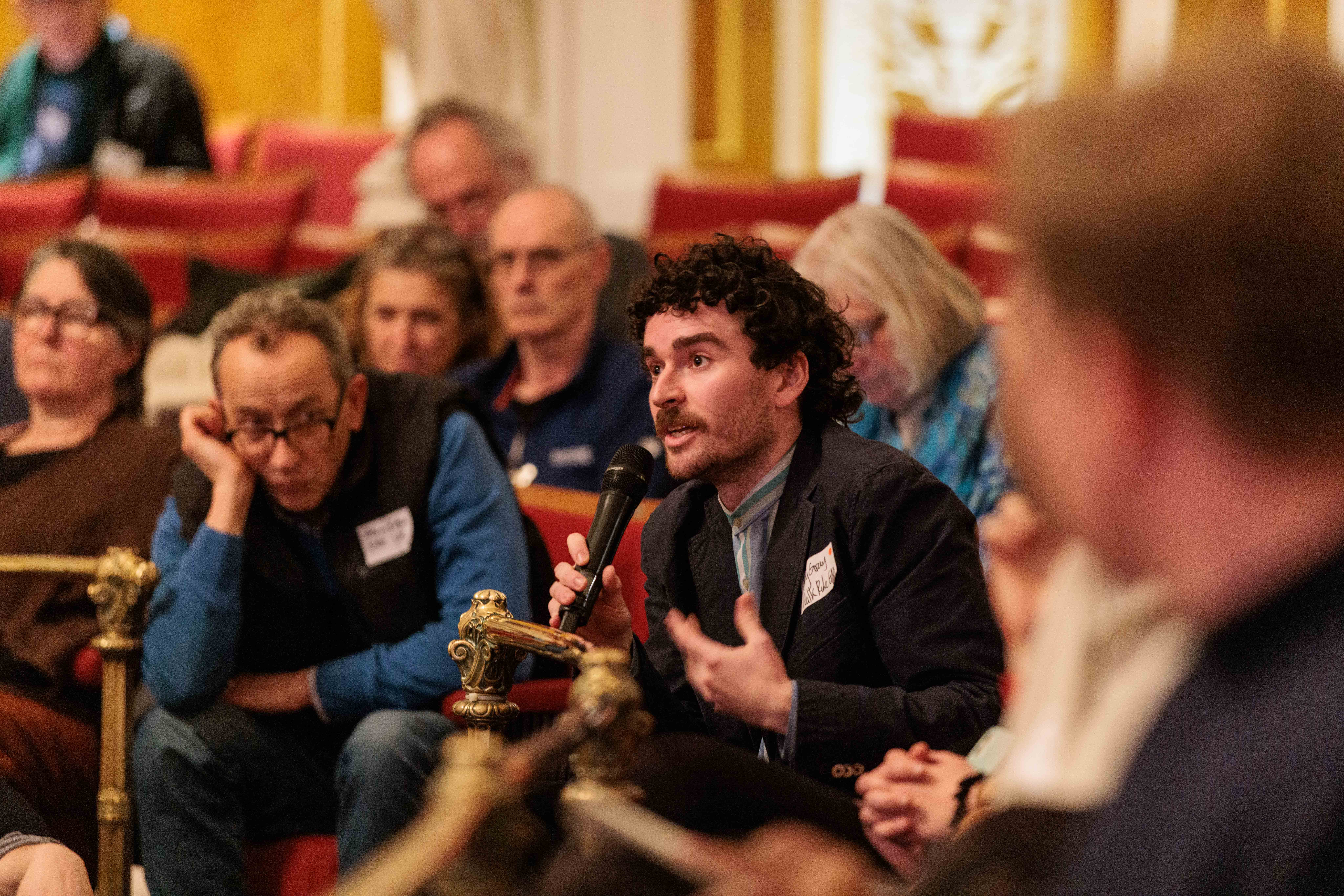
Adam Tranter then led a lively discussion on the potential downsides of emerging technologies, particularly autonomous vehicles, e scooters and e bikes. He posed a challenging question to the panel: as private companies operating in public space for profit, are they at risk of increasing congestion - both on roads and pavements - rather than reducing it? And are these technologies ultimately replacing walking? The panellists responded that thoughtful planning, regulation and effective use of data could help prevent these issues, arguing that companies like Voi and Waymo will potentially play an alternative role in the transport system, rather than replacing walking journeys.
A series of questions from the audience rounded off what was an engaging and thought provoking discussion.
Creating streets for all in Bootle
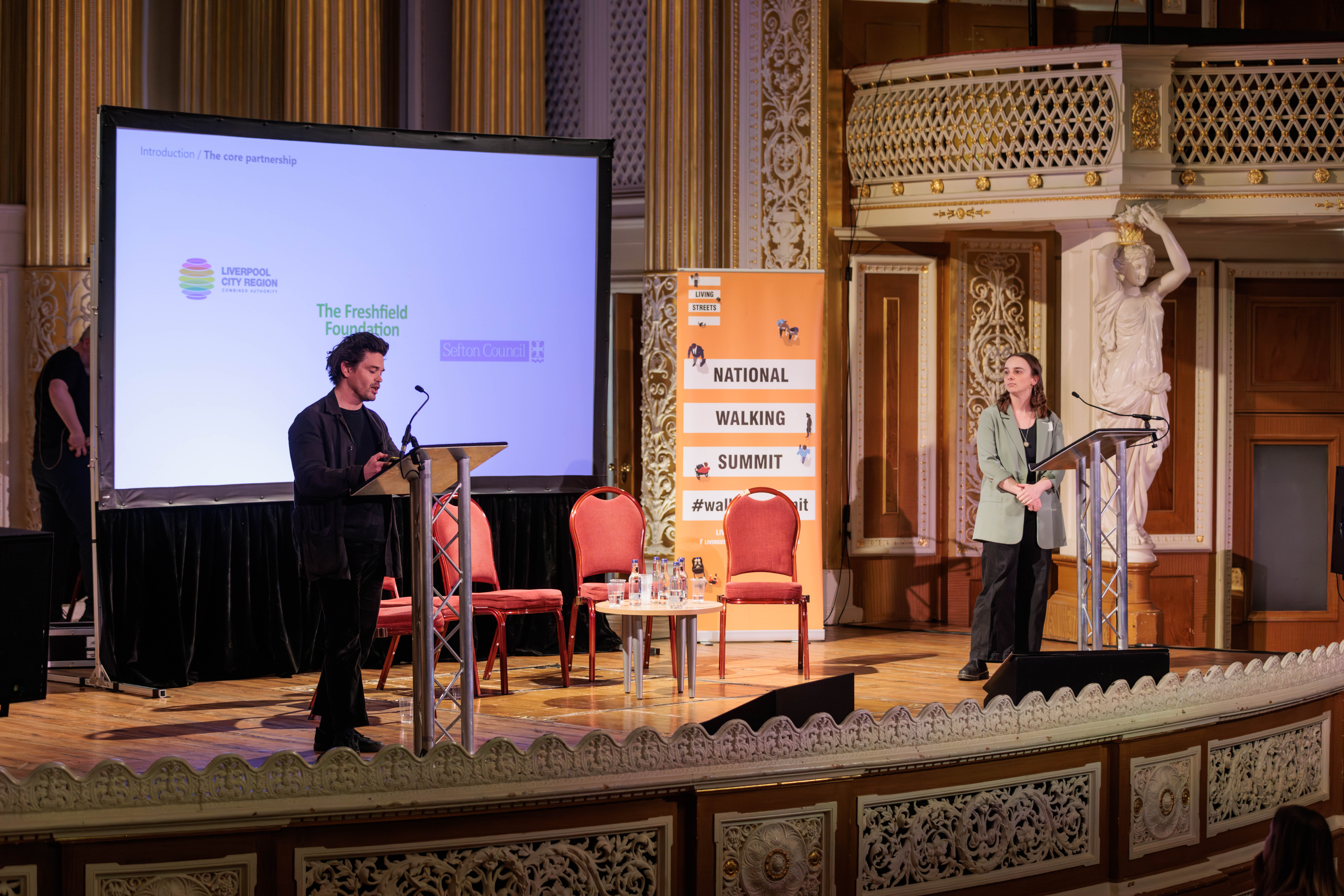
The first half of the day concluded with an insightful presentation from Christopher Martin and Katie Shannon about creating walkable neighbourhoods giving a case study of their project in Bootle and giving an overview of the Walkable Neighbourhoods 2040 project. They highlighted their work as a capacity building scheme that tried to enact the definition of a walkable city – a city that is healthy, wealthy and climate conscious – into a real-life scenario.
Afternoon Walkshops and Workshops
After lunch, attendees split into two groups to take part in the afternoon’s activities.
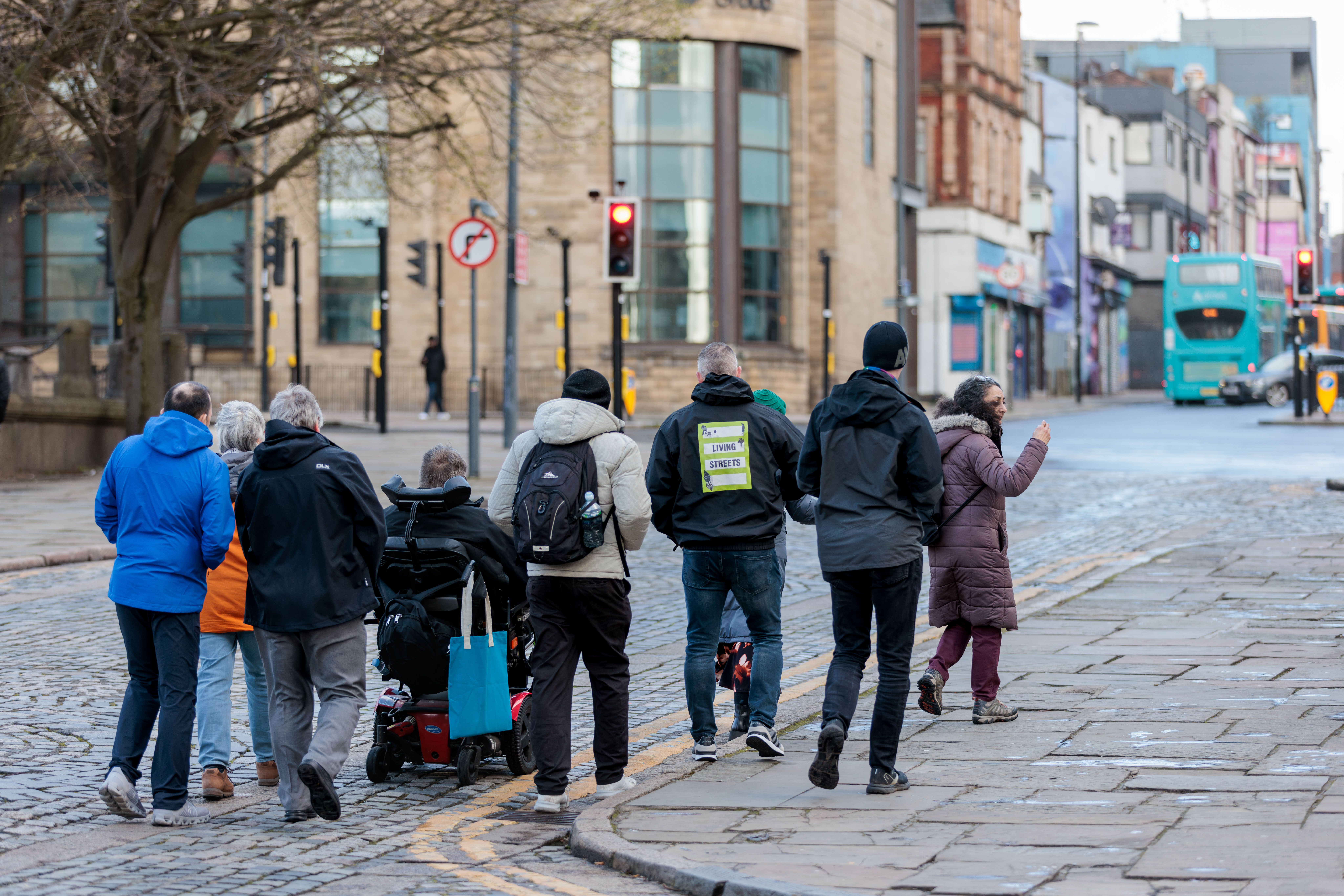
A key component of Living Streets’ UK Walking Summit, one group headed out on guided walkshops around Liverpool. Guided by a range of local stakeholders, there were eight walkshops focused on the pedestrian experience, exploring what currently works well on Liverpool’s streets and what must change to make them more people‑centred in future.
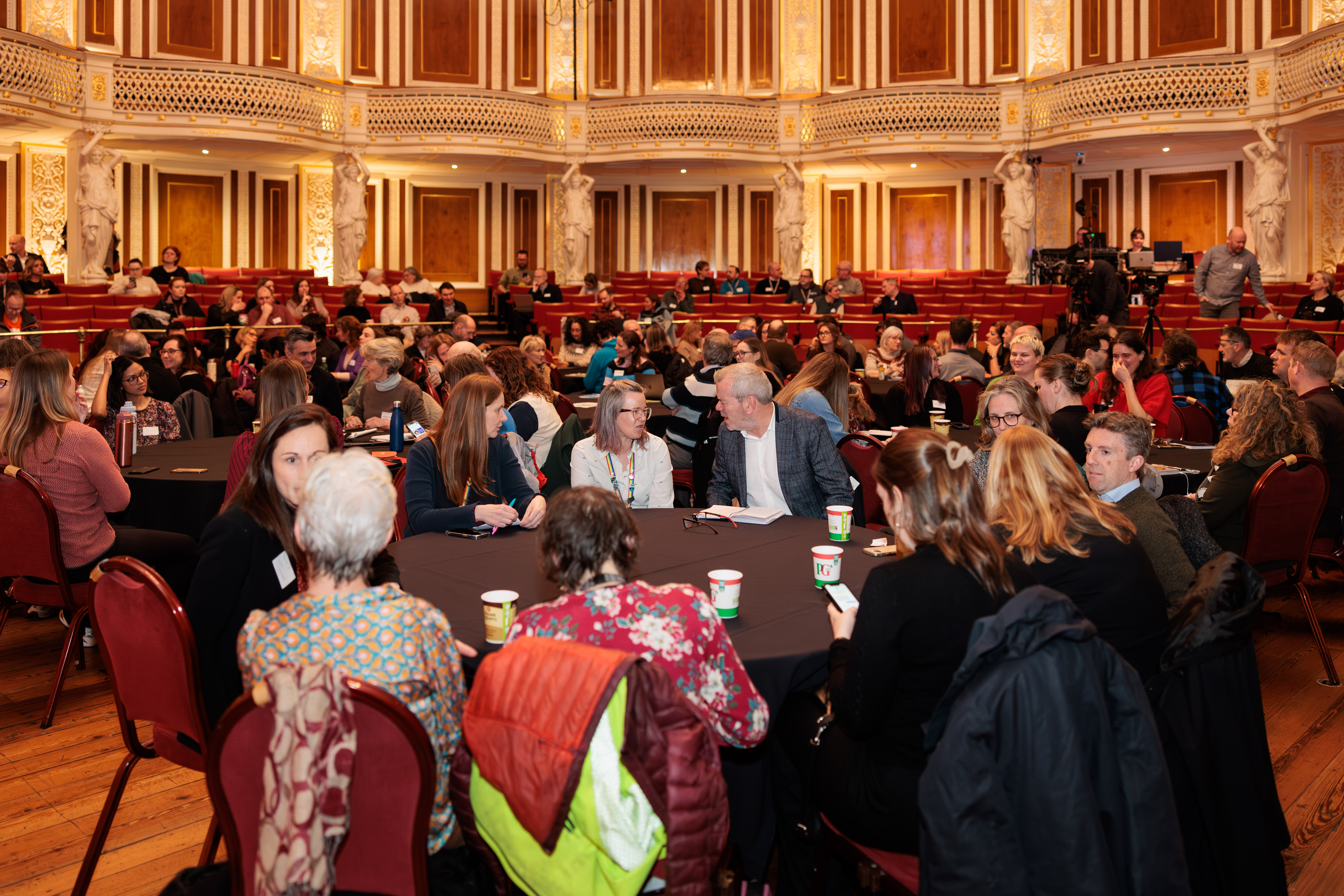
The second group took part in workshops examining the future of streets through the lens of different lived‑experience groups. Facilitators representing each group led discussions on three core questions:
- What are the biggest issues facing their community on our streets?
- What practical changes are needed to address them?
- What political action is required to make those changes happen?
These conversations generated valuable insight on the vary needs of different groups – as well as some major similarities between everyone, and the outcomes will feed directly into Living Streets’ ongoing work on the future of streets.
Conclusion of the Summit
To close the day, Kirsty and Adam reflected on the breadth of discussion across both sessions and the importance of continuing these conversations as we work to shape streets that truly work for everyone.
This year’s UK Walking Summit has once again demonstrated the value of an interdisciplinary approach to ensuring that pedestrians are prioritised in the future of our streets. Regardless of shifting technologies, infrastructure challenges or political uncertainty, people walking and wheeling must remain at the centre of decision‑making. The collective expertise in the room showed not only the scale of the challenges walking faces, but also the huge benefits of putting pedestrians first. The findings from the day will be used to feed into Living Streets’ Blueprint for the Future of Streets – a policy piece that will present Living Streets vision for the future of streets in 2050, and what will be needed to get there.
In September, Living Streets will be hosting a Webinar on the future of streets, and exciting work going on in the UK and beyond to create people centred streets – sign up here.
About the author
Amy Jones
Policy Associate, Living Streets
[email protected]