
Forget Me Not Children's Hospice: Creating a culture of wellbeing through Walking Works
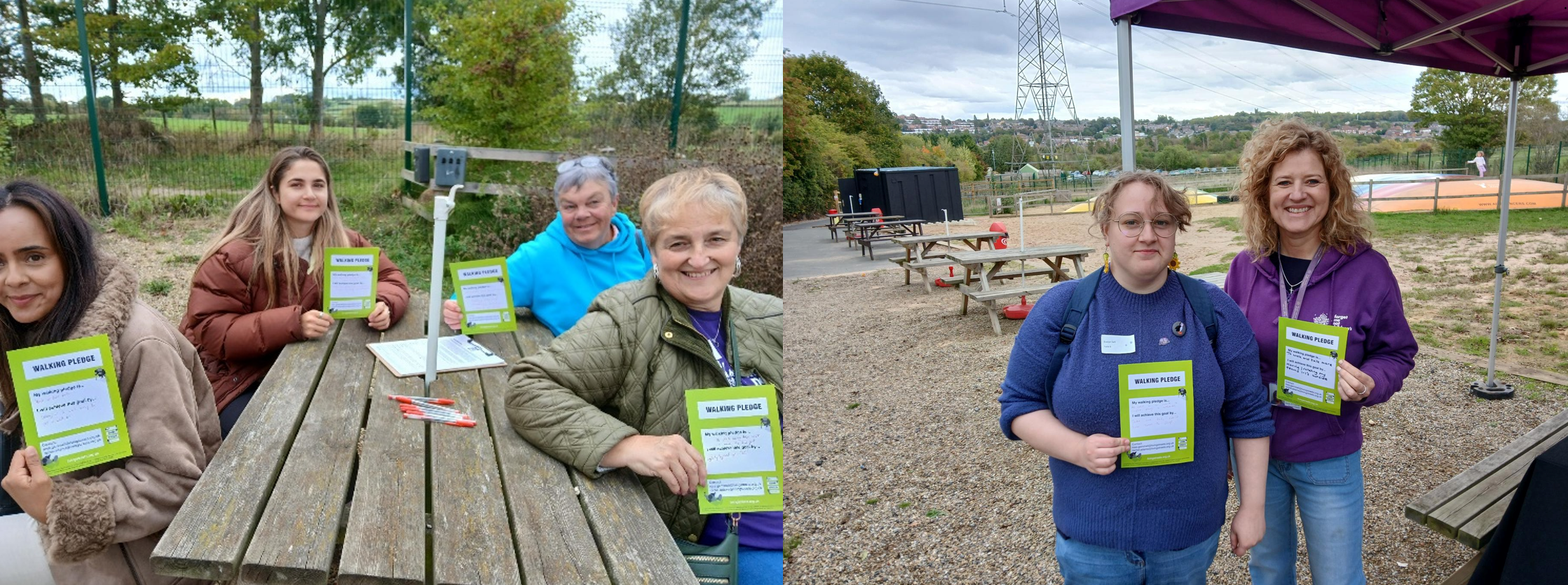
Photos of staff with their completed walking pledge cards at the Ponderosa Zoo event
Workplaces across the country are taking steps to be more active, more productive, healthier and happier thanks to Walking Works from Living Streets.
Forget Me Not Children’s Hospice, which supports children with life-shortening conditions and their families across Kirklees and Calderdale, partnered with Living Streets through our Walking Works programme to encourage more walking throughout the working day and support staff wellbeing. With around 150 staff working across its hospice site and charity shops, the organisation recognised the potential benefits of active travel for its workforce and wider organisational culture.
Building understanding through staff insight
Before the programme launched in September 2025, staff were invited to complete a baseline survey exploring their walking habits, barriers to walking and awareness of workplace policies that support active travel. The results showed significant opportunities to increase engagement with walking and highlighted practical changes that could help staff incorporate more movement into their day.
The hospice team shared why active travel was becoming an organisational priority:
"Forget Me Not Children’s Hospice is committed to creating a compassionate and supportive working environment. Encouraging active travel, such as walking, cycling, or using public transport, promotes staff wellbeing, reduces environmental impact, and helps to ease pressures on limited car parking spaces. The benefits of increased physical activity include improved mental and physical health, which are especially valued in a caring profession and compassionate culture."
Survey responses highlighted that many staff felt that additional time and flexibility during the working day would help them walk more, while walking meetings emerged as a particularly attractive option. Staff also identified differences between job roles, with some colleagues already spending much of their working day on their feet.
As the hospice explained:
"The hospice recognises that some colleagues, such as care and retail staff, are already very active, while desk-based staff may find it harder to fit walking into their day."
Using this feedback, Living Streets tailored its approach to focus on practical actions, like wellbeing breaks, walking meetings and accessible opportunities to be active during the working day.
Bringing Walking Works to life
To launch the programme, Living Streets attended the hospice’s staff away day at Ponderosa Zoo, where colleagues took part in a walking workshop as part of a wider programme of wellbeing activities. Staff discussed ways to make walking part of their daily routines, from taking wellbeing breaks outdoors to replacing short car journeys with walking and used the Walking Works communications package, featuring challenges, resources and motivational content, to keep walking front of mind across the organisation.
A key part of the programme was empowering staff to lead change from within. The hospice recruited dedicated Walk Champions who completed Living Streets training and became advocates for walking among their colleagues.
Working alongside these champions, Living Streets developed a bespoke walking map tailored to the hospice site and surrounding area. In January 2026, Walk Champions joined a route-planning walk to help identify suitable routes, before printed and digital maps were distributed throughout the organisation. The maps are now available for staff and families to borrow, supporting both wellbeing and community engagement.
Reflecting on the partnership, the hospice said:
"Keeping the conversation active - both among senior leaders and individuals - will help sustain positive changes. The hospice values our partnership with Living Streets and looks forward to building on the progress made so far."
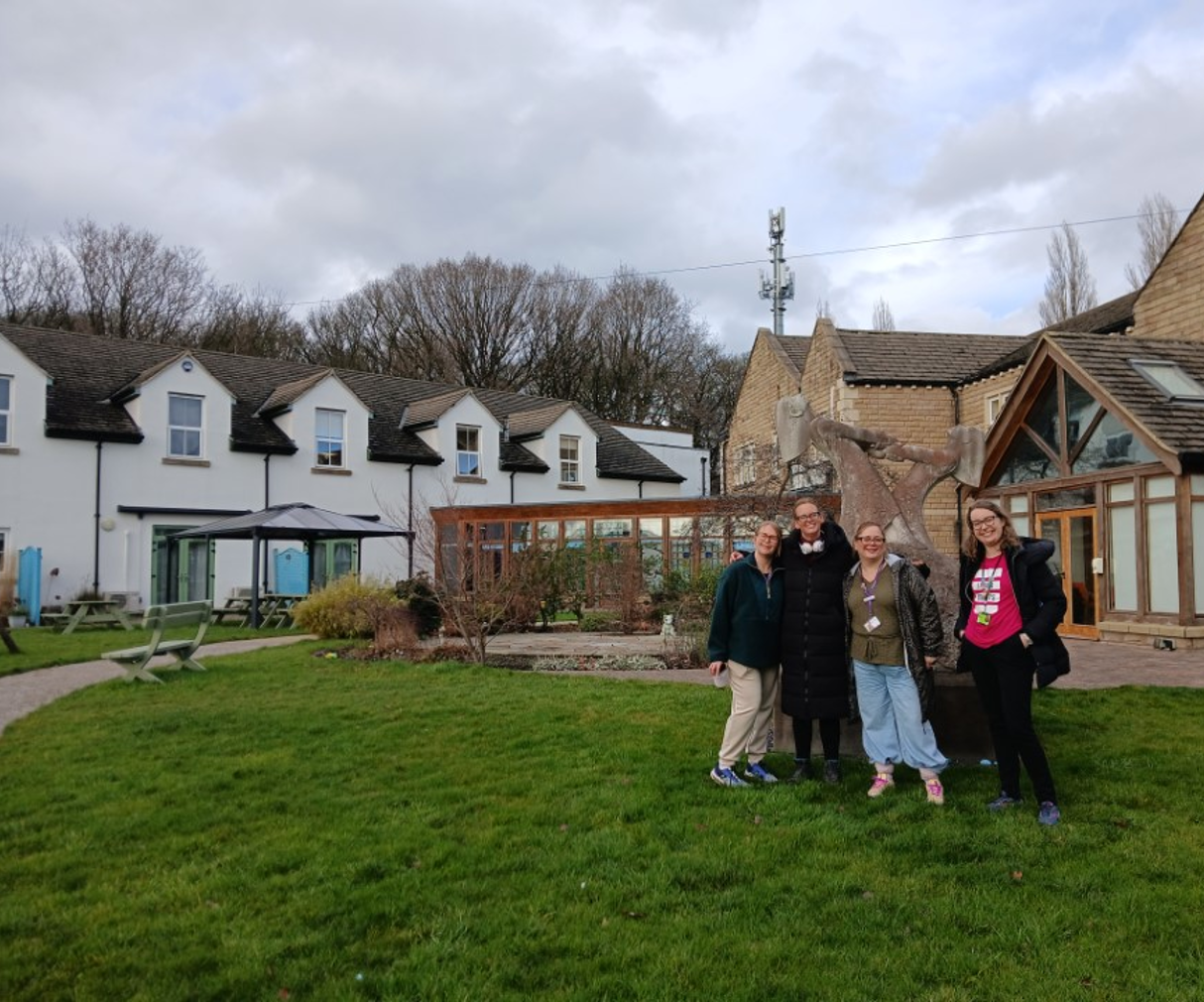
A photo from the walking map planning session with some of the hospice Walk Champions
Positive outcomes and lasting change
Follow-up feedback demonstrated encouraging early signs of impact. Among respondents to the post-intervention survey, half reported incorporating more walking into their working day, while 75% said they felt supported by the hospice to walk more since participating in Walking Works.
The pledge sessions were particularly well received:
"The talk and pledge card sessions were interactive and well received, sparking meaningful discussions among colleagues and teams. Having an independent facilitator was particularly helpful, as it encouraged open engagement. Many staff reflected on their habits, and some tried new activities, such as lunchtime walks or walking meetings."
Staff also reported that the programme inspired increased walking beyond the workplace, while the walking maps and champion-led activities helped colleagues discover and use local routes.
The organisation’s commitment to walking has continued beyond the formal programme. Walk Champions have established regular wellbeing walks for staff, helping to keep active travel visible and accessible. Walking is also being embedded within the hospice’s Compassionate Cultures programme and staff intranet, ensuring it remains part of everyday conversations about health and wellbeing.
As the hospice looks ahead, its commitment remains clear:
"The hospice will continue to support active travel and walking as part of its compassionate cultures programme. Plans include maintaining visible signage, sharing regular wellbeing updates, encouraging team challenges, and supporting flexible break times. This initiative will also be featured in our One Team Hub which is an online staff handbook (intranet)."
Through Walking Works, Forget Me Not Children’s Hospice has laid strong foundations for a healthier, more active workplace culture, demonstrating how walking can support staff wellbeing, strengthen organisational connections and create lasting positive change.
About the author
Living Streets