Engineering a better future for our planet and its people
For a second year running, we're delighted AtkinsRéalis have joined as Headline Partner of the UK Walking Summit, taking place in Liverpool on Wednesday 25 March.
Ahead of the day, we spoke to them about their involvement in the Summit and how it supports their mission.

AtkinsRéalis is dedicated to “Engineering a better future for our planet and its people,” with a national team of active travel experts driving innovation across the UK. Our work spans the full project lifecycle. From policy and behavioural change to planning, design, and construction, we deliver inclusive, safe, high-quality infrastructure that encourages people to walk and wheel.
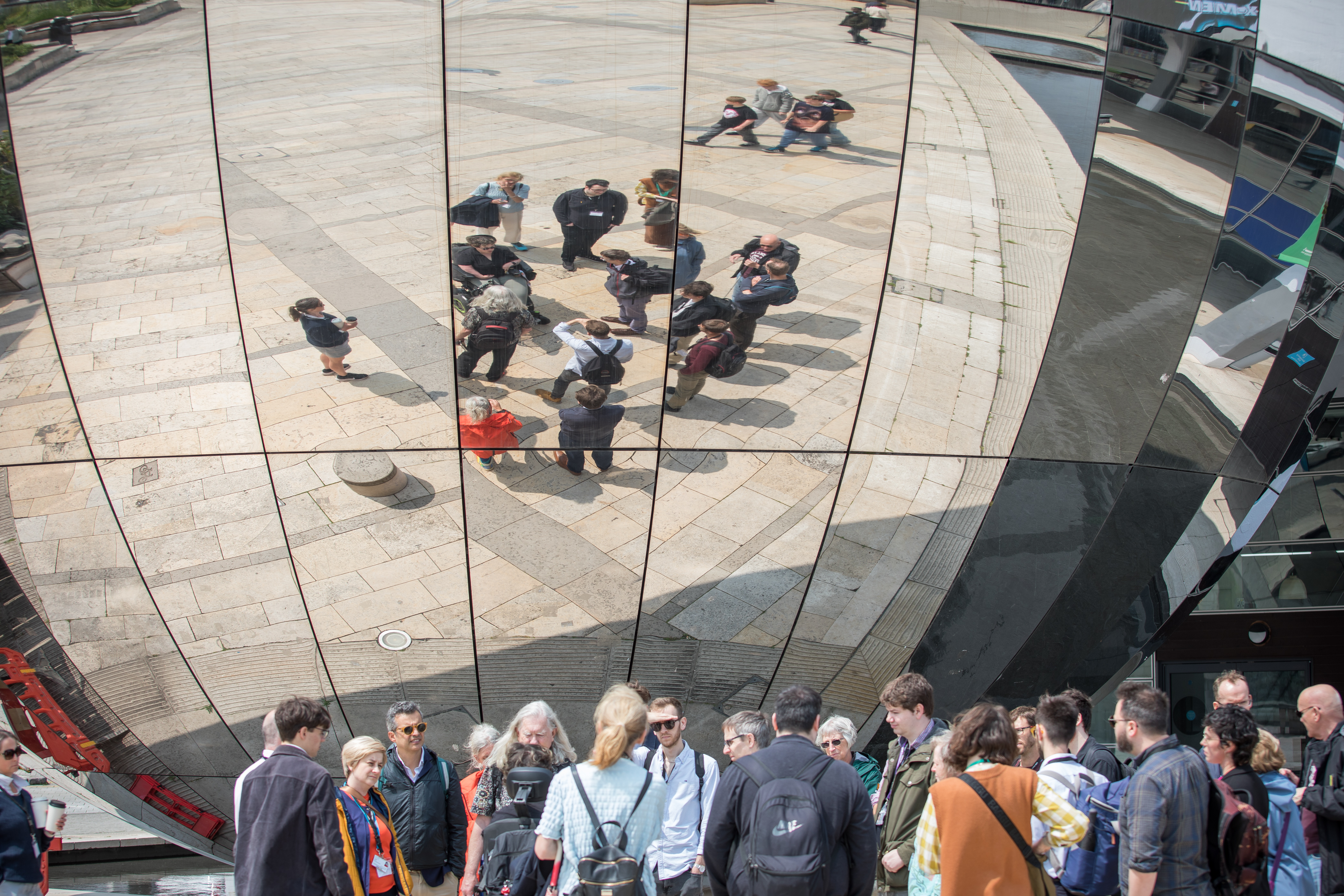
At AtkinsRéalis we look forward to sponsoring the Walking Summit to get together with people from across different organisations and share knowledge and ideas about overcoming challenges to enable more accessible and inclusive movement.
We hope to explore conversations around people-centred insight from multiple perspectives, bringing our own experiences and listening to others.
At this year’s Summit, Jo Bacon and Alexei Lee will be sharing why people-centred insight is essential if we want more people to walk and wheel. Understanding what people think, feel and do is a crucial first step if we want to encourage more active everyday journeys.
We are excited to explore why this insight is so essential and what behavioural science principles and tools can help to make walking and wheeling more attractive options.
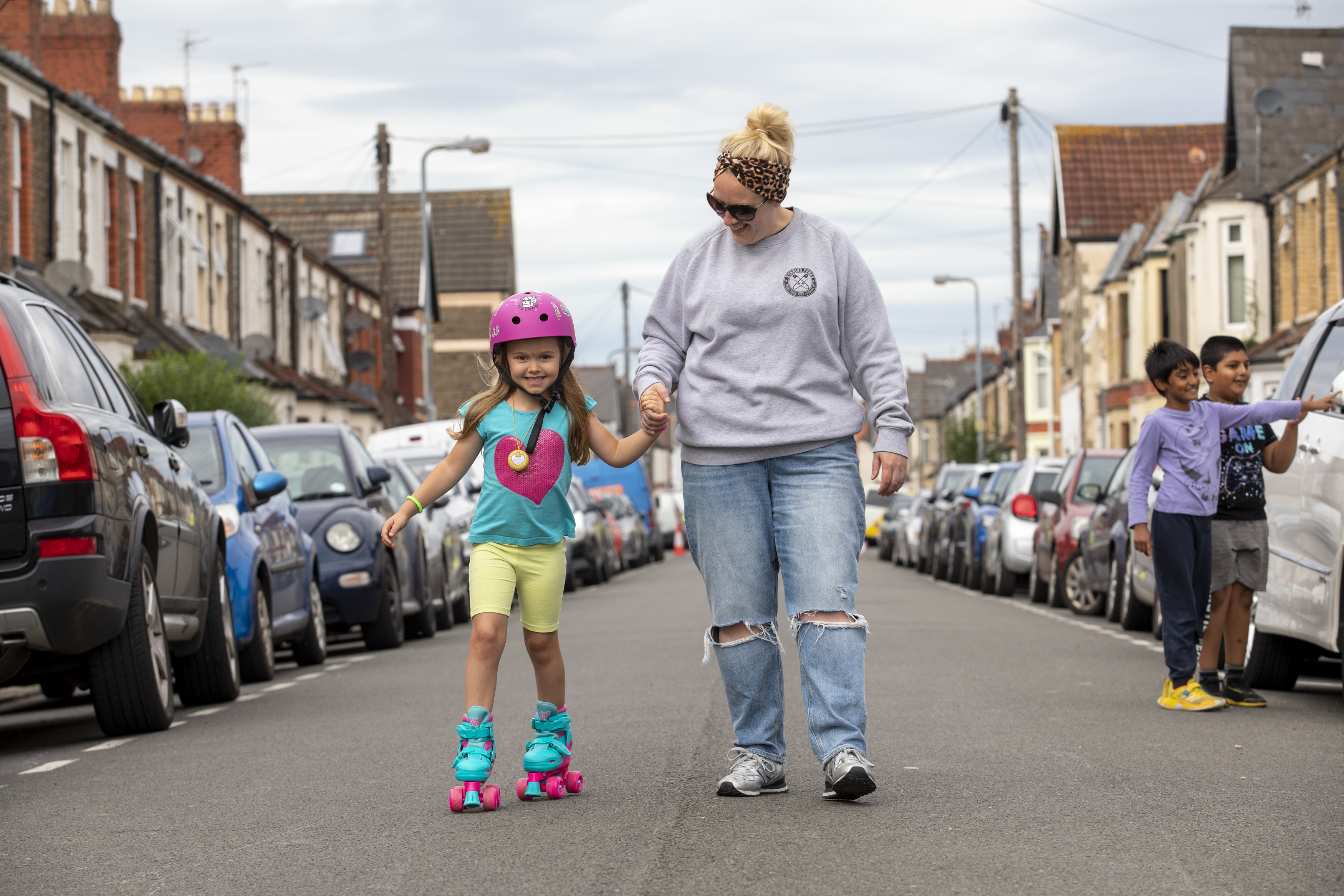
Jodi was a panellist at the 2025 UK Walking Summit in Bristol
Nicola Glover and Jodi Savickas will be leading a walkshop on safety for women and girls. Our standout initiative is the Getting home safely Toolkit, which integrates gender-sensitive design into public spaces. This tool enhances traditional place audits by focusing on the safety of women and girls, especially during night-time. It supports evidence-based decisions for safety improvements and has been successfully applied in projects across the country.
The walkshop will consider the elements in the public environment that contribute (positively or negatively) to perception of safety, particularly for women and girls, using elements from the Getting Home Safely Toolkit.
Back in the conference venue, Rachel Hiorns will be facilitating a discussion on the pedestrian experience for women, girls and minority genders. Rachel is keen to hear thoughts and ideas for how we can address challenges to the pedestrian experience through good engagement and design.
Krunal Shah is leading a walkshop on inclusive design. Krunal will consider aspects conducted as part of an inclusive design approach to integrated transport schemes and discuss with walkshop participants.
There will be opportunities to highlight and discuss challenges faced by disabled people, and people of other protected characteristic groups, and identify solutions to be designed to enable more inclusivity in public realm and transport interchange improvements.
We will be joined by other colleagues on the day, who you can find at the AtkinsRéalis stand in the exhibition space. Here you will be able to find out more about the projects that we’ve been supporting to improve pedestrian safety and experience. Come by and say hello!