
"A ban on pavement parking will make a huge difference": celebrating progress on pavement parking
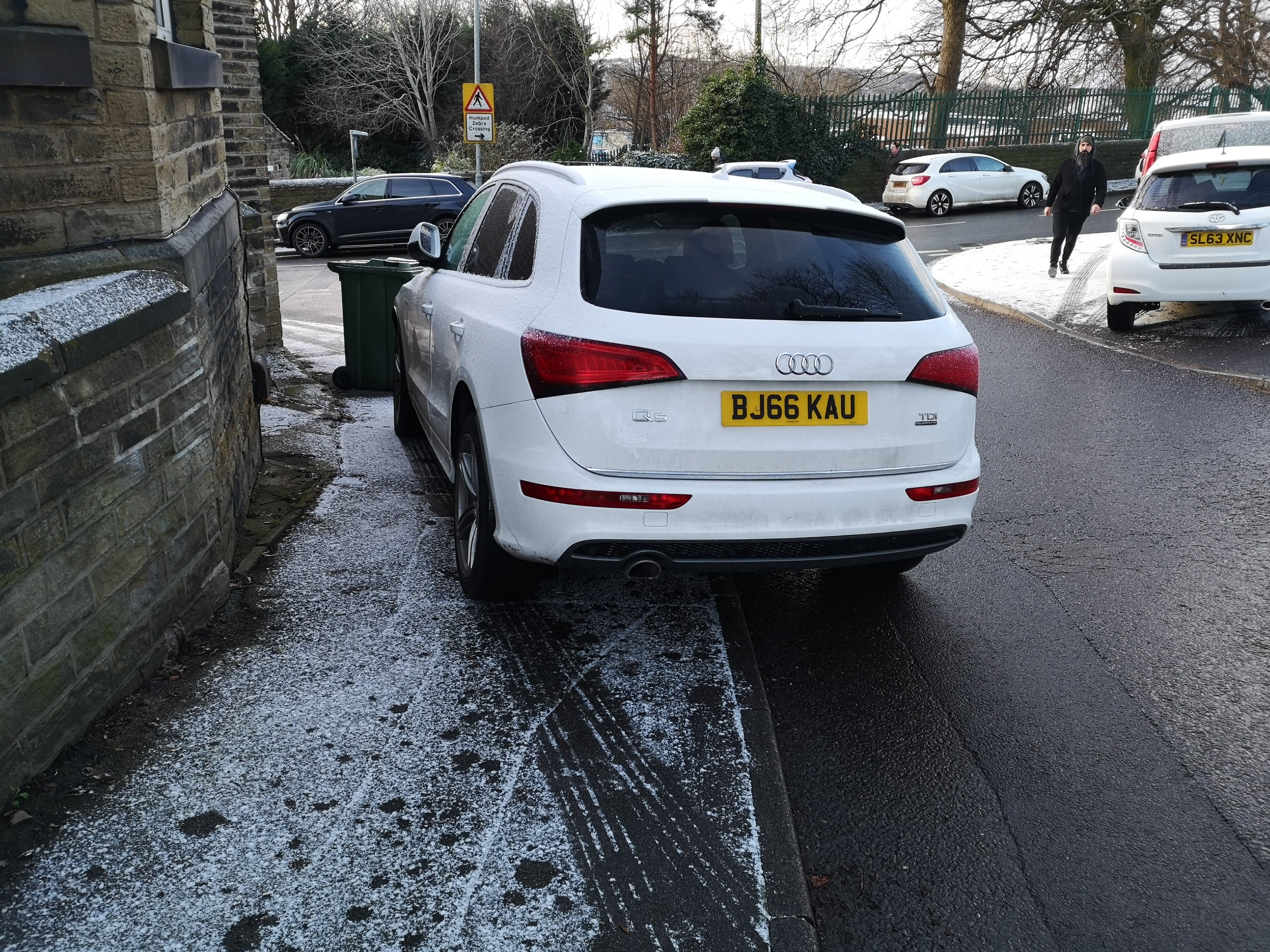
Following more than five decades of tireless campaigning by Living Streets, our supporters and campaign allies, we’re celebrating a landmark moment for banning pavement parking in England.
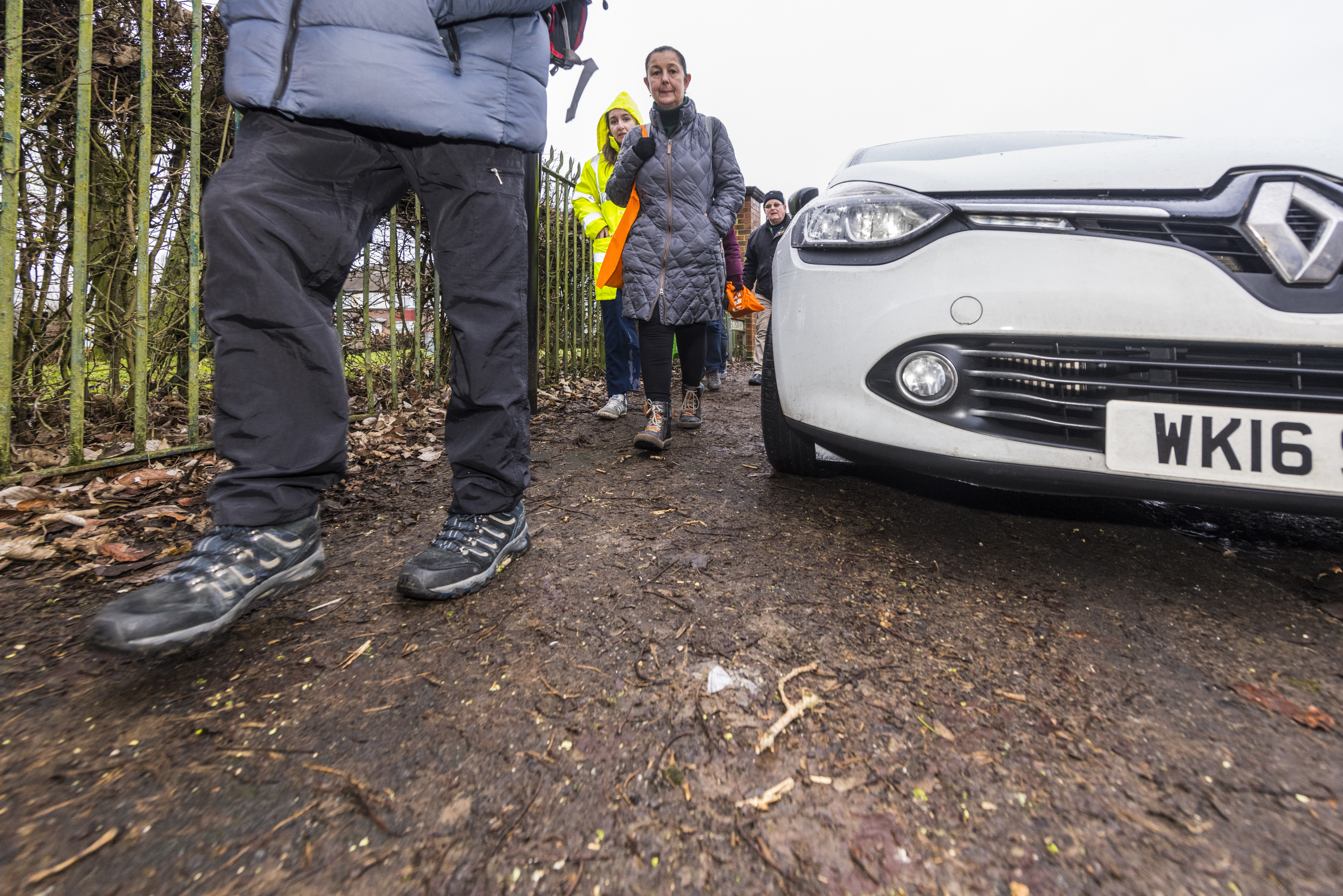
Legislation to enable local leaders to prohibit pavement parking has been included in the English Devolution and Community Empowerment Bill. The amendment included in the Bill, which achieved Royal Assent on 29 April, will enable The Secretary of State to make regulations giving each English local transport authority the power to impose a prohibition on the parking of motor vehicles on the footways and verges.
What does this mean in practice?
Put simply, if councils choose to act, they will soon have the legal tools they need to ban pavement parking in their area.
Pavement parking isn’t just a minor inconvenience for some people. It causes obstruction of the pavement that can have a detrimental impact on people's independence – especially for older and disabled people, people with visual or mobility impairments, adults with pushchairs and anyone who finds themselves forced into the road to get around a parked vehicle.
Recent polling from YouGov shows that 63% of people strongly or somewhat support a ban on drivers parking their cars on pavements.
Being pushed into traffic is dangerous, and it is clear that a ban on pavement parking has widespread public support. This amendment has the potential to improve safety for pedestrians, restore confidence, and independence for communities across England.
Hear from our Chief Executive
Living Streets’ Chief Executive Catherine Woodhead, explains why this moment matters – and what it could mean for communities around the country.
Hear from our supporters
Pavement parking is not an abstract issue – it affects people’s daily mobility, dignity and freedom. Here’s what some of our supporters say this amendment means to them:
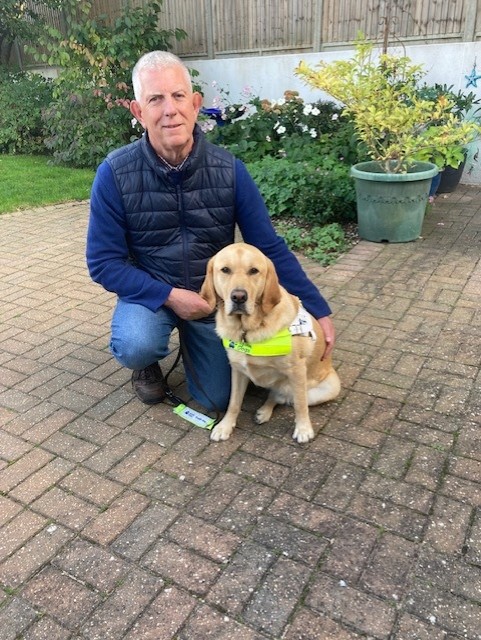
I have been campaigning on restrictions to parking on pavements for more than 12 years, and in that time, I have been forced into busy roads on countless occasions with my guide dog. This is clearly an unacceptable position to be in so I welcome that provisions are being put in law which allows visually impaired people, parents with pushchairs and wheelchair users to use our pavements as designed, and that is to be kept safe at the side of the road and not in it. Of course, this doesn’t only apply to cars but all vehicles, keep our pavements clear, keep us all safe.
- Simon, Suffolk
I will be able to use my walker at last when visiting my daughter as before I had to get the bus, as I suffer with extreme arthritis it’s not helped my daily walking, it’s so scary going on the road to get past these vehicles.
- Johnny, Huddersfield


How will I benefit from pavements free from cars? Every day, without exception, I have to put up with a terrible scenario - pedestrians can either walk in the road or on private property. This must stop.
- Martin, Bridlington, East Riding Of Yorkshire
Whoopee...I can now confidently walk arm-in-arm with my partner who has Alzheimer's and whose limited mobility requires a walking stick. And maybe when it rains, overgrown hedges won’t soak our coats as we squeeze past.
- Rowan, Leicester


A ban on pavement parking will make a huge difference to not only myself but those that are blind, have disabilities and use a wheelchair and walking sticks and those with pushchairs. I'm a regular walker and come across pavement parking on a regular basis, on some occasions I have to walk out into the road.
- Alicia
I use an electric wheelchair/scooter and when cars do pavement parking I can’t get through and more often than not there isn’t a dropped kerb to get down so then I’m stuck!!
- Teresa, East Anglia
Aideen's Story
Aideen shares what this means for her:
Aideen is not alone. Her experience is shared by countless people across England who simply want to move around their neighbourhood safely.
Hear from Olly Glover MP:
Olly Glover MP, Vice-Chair of the All-Party Parliamentary Group for Cycling and Walking shares his thoughts:
What happens next?
The Devolution Bill achieving Royal Assent is a huge step towards ending pavement parking – but it’s not the end of the road to reclaim our pavements for pedestrians.
Alongside these powers, the UK Government has also pledged to enable local authorities to enforce against unnecessary obstruction of the pavement via secondary legislation. This essentially allows uniformed civil enforcement officers to enforce against cars that are parked on the pavement.
We are supporting the UK Government to design their guidance for local authorities on the enforcement of pavement parking, so it may take some time before we see enforcement against pavement parked cars. Following the implementation of this secondary legislation, we will be working with Strategic Transport Authority Mayors and Transport Leads, as well as our Living Streets Local Groups to encourage them to make use of this power. We will also encourage them to commit to regional or local pavement parking bans as set out in the Devolution Bill.
This is an opportunity to make streets safer, and more accessible to everyone, and Living Streets will continue working with supporters, campaigners, and decision makers to push for action across the UK to stop pavement parking for good.
About the author
Amy Jones
Policy Associate, Living Streets
[email protected]